Wildlife Removal Through the Fresno Year
Fresno winters are fog and mild cold, not a reset. Tule fog keeps foundations and crawl spaces damp for weeks, rodents that got in stay in, garage black widows stay active, and kitchen cockroaches never notice the season at all. Winter is project season: exclusion, moisture fixes and the inspections that set up spring.
Spring in Fresno brings warm days after the winter rains, and the pests respond on cue: subterranean termites swarm, wasp queens start thumb-sized nests under the eaves, Argentine ants reopen their trails, and mosquito season begins as the irrigation does. It is the inspection season - the month to find problems while they are small.
Fall belongs to the rodents. As the Valley harvest strips food and cover from the fields, roof rats and field mice move into attics across Fresno - and drywood termites swarm on the hot evenings. Late summer roofline sealing, done before the push, is the difference between a quiet fall and scratching in the ceiling.
Wildlife Removal in Depth
Urban wildlife work in Fresno operates inside a legal frame homeowners rarely know: raccoons, opossums and skunks are regulated, squirrel and bat work carries seasons and exclusions, and relocation is restricted because moved animals usually die and sometimes spread disease. The lawful craft is eviction plus exclusion - one-way doors, den removal timed around young, and a sealed building - not the catch-and-release many people picture.
The Valley's wildlife calendar runs on housing pressure: drought drives animals to irrigation and pools, harvest displaces them from fields, and winter sends them den-hunting into attics and crawl spaces. Each arrival exploits a building flaw - an unscreened vent, a broken chimney cap, a gap at the roofline - which is why the exclusion half of the job is the permanent half.
Choosing the Right Help
Wildlife removal is regulated work, so ask about the rules as well as the animals: how eviction is timed around young, what one-way exclusion looks like on your vents and chimney, and which repairs make the eviction permanent. Ask what happens to trapped animals under California's rules - a lawful provider will explain why relocation is restricted and what humane, legal handling means in practice. The exclusion quote, itemized in writing, is the document that matters most.
The Climate Behind It
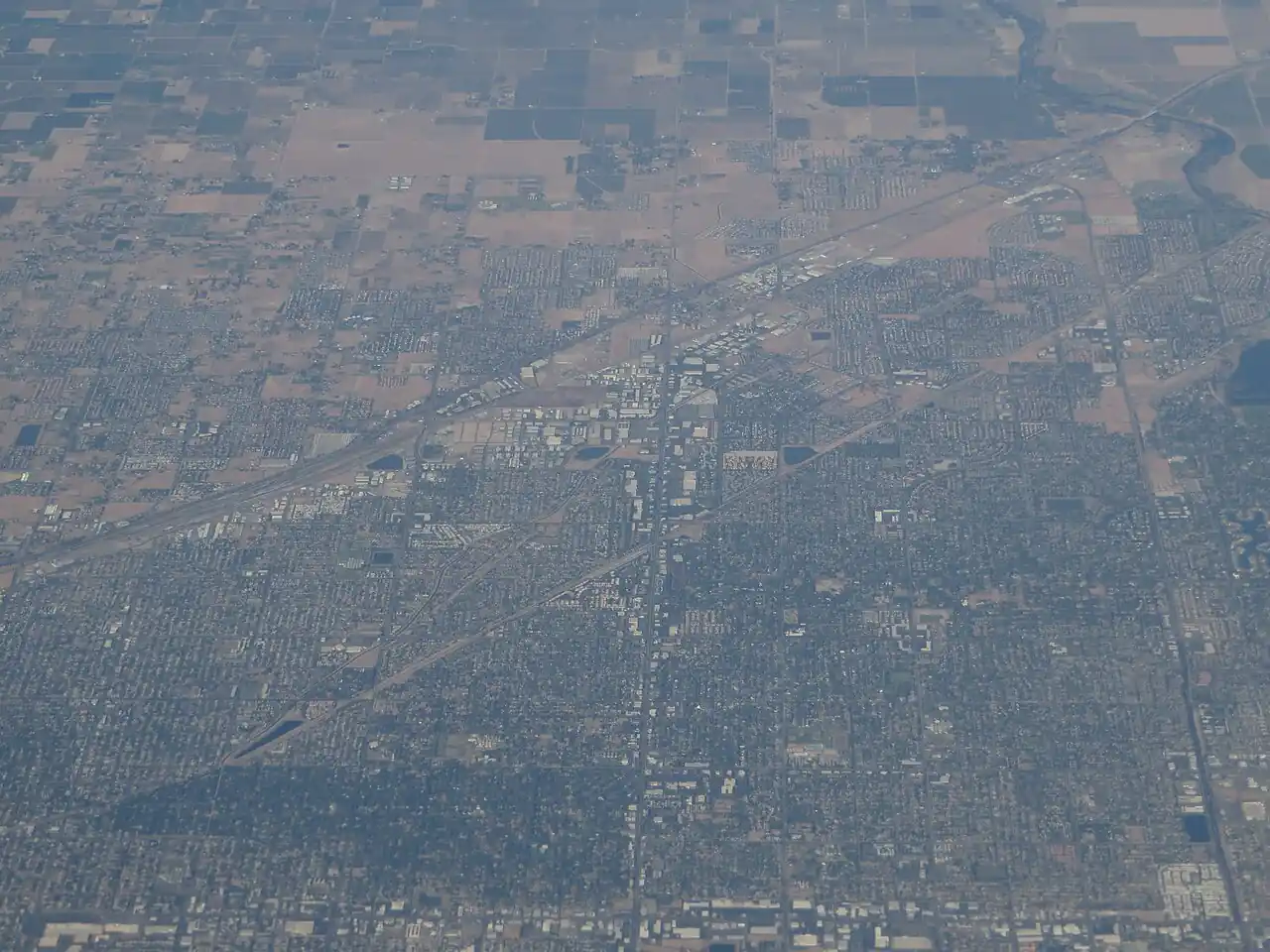
Fresno sits in the middle of the San Joaquin Valley, and its climate writes the pest calendar: summers that run past 100 degrees for weeks, mild winters with dense tule fog, and almost no rain from May to October. Nothing here gets a killing freeze, so pest populations build on each other year after year instead of resetting.
This is farm country first. Almonds, grapes, citrus and stone fruit surround the city on every side, and the irrigation that feeds them - canals, laterals, drip lines and sprinklers - keeps water moving through neighborhoods all season. Where there is constant water, there are constant pests.
How Wildlife Removal Works
Inspect and identify the animal
Signs, droppings, entry damage and sounds identify the species - and whether young are present, which the law and good practice both care about.
Humane removal or eviction
One-way doors, live trapping where appropriate and eviction techniques matched to the species get the animal out without sealing it in.
Seal the structure
Vents are screened with heavy material, chimneys capped, soffits and deck gaps closed - the entry is fixed, not just the animal removed.
Clean-up guidance
You get clear notes on droppings and nesting material in attics, which should be handled with proper precautions.
Doing It Yourself vs a Professional
The DIY Route
- Sealing a hole with an animal inside creates a far worse problem
- Trapping without knowing the species or season can orphan kits in the attic
- Relocating wildlife on your own can be illegal and rarely solves the entry problem
VS
The Professional Route
- Species and young identified before any removal step
- Humane eviction and trapping matched to the animal and season
- Entries sealed with materials wildlife cannot tear open
Keep It From Coming Back
Wildlife prevention is denial of den sites and dinner. Secure the attractants, screen the openings, and Fresno's raccoons and opossums will commute through someone else's yard.
- Cap chimneys and screen attic vents with heavy-gauge material.
- Trim roofline branches and pick up fallen fruit promptly.
- Bring pet food in at night and secure trash bins with locking lids.
- Close off under-deck and under-shed access with buried hardware cloth.
- Net or spike pigeon roosts on solar panels and ledges early, before a flock settles.