Bed Bug Prep Guide: How to Get Your Fresno Home Ready for Treatment
Bed bug treatment fails most often on bad prep, not bad products.
Read the Guide
Fresno pests rotate by season: termites swarm in spring, ants and mosquitoes own summer, rodents move in at harvest, spiders and rodents shelter in winter.
Problem: Fresno pests rotate by season: termites swarm in spring, ants and mosquitoes own summer, rodents move in at harvest, spiders and rodents shelter in winter.
Solution: Time inspections and prevention to the calendar instead of reacting to infestations.
When to call: Call ahead of your problem season - spring for termites, late summer for rodents.
Fresno does not have a pest season. It has four of them, back to back, and the pest changes with the farm and weather calendar. Homeowners who learn the rotation stop being surprised - and start scheduling the right work in the right month.
Fresno sits in the middle of the San Joaquin Valley, and its climate writes the pest calendar: summers that run past 100 degrees for weeks, mild winters with dense tule fog, and almost no rain from May to October. Nothing here gets a killing freeze, so pest populations build on each other year after year instead of resetting.
Warm spring days after rain trigger subterranean termite swarms - the year's most visible termite event - while overwintering pests wake up across the board. Argentine ants restart their trails, wasps queens begin starter nests under the eaves, and mosquito districts resume surveillance as temperatures climb.
Spring is inspection season: termite checks while swarm evidence is fresh, eave walks while wasp nests are thumb-sized, and irrigation repairs before the summer water brings everything to your foundation.
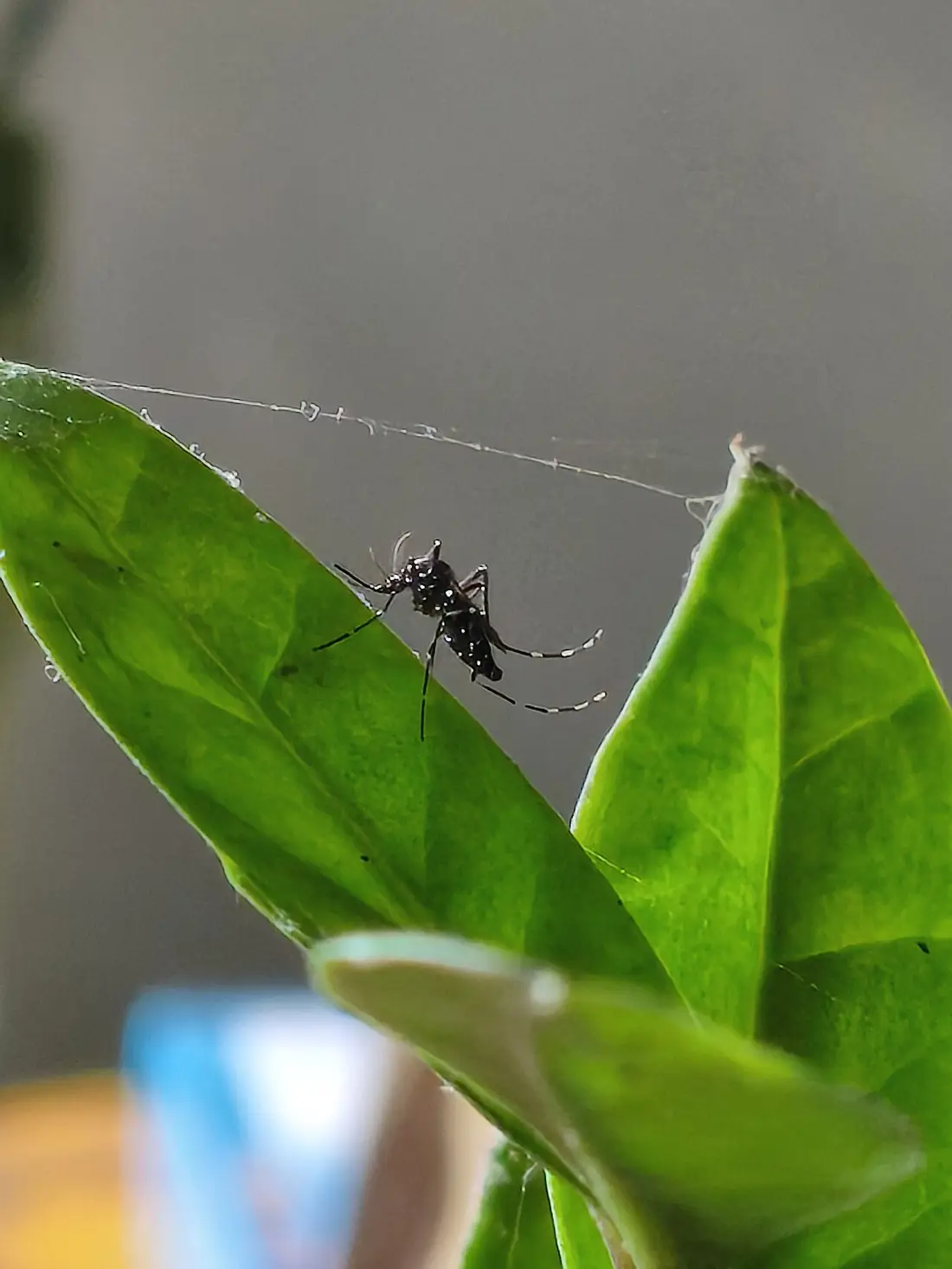
Summer is Fresno's main event. Aedes and Culex mosquitoes breed on a weekly cycle wherever water stands. Argentine ants invade for water in waves after every heat spike. German and Turkestan cockroaches breed at maximum speed, black widows settle into garages, and wasp colonies grow from dozens to hundreds.
This is when regular service earns its keep: exterior treatments hold the line while every untreated home soaks up pressure from all sides. It is also when emergency calls peak - nests at doors, roach surges, ant floods.
As crops come off from August onward, displaced rodents look for attics, and roof rats become the call of the season. Drywood termites swarm on hot fall evenings. The first tule fog nights send spiders and occasional rodents looking for indoor shelter, and stored-product pests turn up in holiday baking supplies.
Late summer is the smart moment for roofline exclusion - vents screened and gaps sealed before the harvest push, not after the first scratching in the ceiling.
Fresno winters are mild and foggy rather than cold, so pests slow down instead of dying off. Rodents that got in stay in; black widows remain active in garages; cockroaches keep breeding in warm kitchens; and tule fog moisture feeds the conditions termites love at the foundation line.
Winter is the season for the unglamorous work: attic clean-outs after rodent jobs, crawl-space moisture fixes, exclusion projects and the inspections that set up a quiet spring.
The Valley calendar is the average; your home has its own edition. A house beside a canal runs mosquitoes longer; a house at the orchard edge gets the harvest rodent push harder; a shaded Fig Garden lot carries spiders and widows deeper into winter. Note what shows up at your address, and when, for a single year and you will own a calendar no app can give you.
That notebook is also the most useful briefing a technician can get. 'Ants at the kitchen sink every June, rats overhead every October' is a diagnosis in one sentence - it tells them where to look, what to treat and when to schedule the sealing work.
Homeowners who beat the calendar book four things in advance: a spring termite inspection while swarm evidence is fresh; a summer service rhythm that never lapses during peak pressure; a late-summer exclusion slot before the harvest push; and a winter attic and crawl check while everything is slow enough to see clearly.
Booked ahead, those are routine visits at routine effort. Booked late, the same four items become an infestation, a surge, a rodent family and a restoration - the calendar charges interest, and it always collects.
General pest control in Fresno is really water management with a sprayer attached. The Valley's irrigation culture - lawns, drip lines, planters, pool equipment, condensate drains - creates a permanent moisture map around every house, and the pest population simply follows that map. Argentine ants queue at the leaks, roaches colonize the wet voids, spiders hunt the insects the moisture feeds and rodents drink at the same sources. A general service that ignores the water map treats the audience; one that reads it treats the cause.
That is the service side of this guide's problem. When you are ready, the Pest Control page carries the process, the coverage by neighborhood and the number to call.
Termite inspection, eave check for starter wasp nests, irrigation fixes.
Regular exterior service, weekly mosquito source walks, water management.
Vents, eaves and tree contact fixed before the harvest rodent push.
Attic and crawl work, moisture corrections, exclusion upgrades.
Termite slots fill when the swarmers do. Book while the calendar is yours.
Irrigation season opens; fix the leaks before the ants find them.
Peak pressure forgives no skipped visits. Confirm the schedule is holding.
Exclusion work done now is worth three trapping jobs in October.
The quiet season is for seeing clearly - droppings, damage and next year's invitations.
Seasonal planning changes pest economics more than any single treatment: an inspection booked in the off-season, exclusion done before the surge and service kept through the peak all price at the routine rate, while the same items bought as emergencies price at the emergency rate. The calendar does not change what the work costs - it changes which version of the work you end up buying.
Professionals run the Fresno year as a standing rotation, and watching the rotation is the fastest way to learn the calendar. Spring visits open with termite evidence and ant pressure at the foundation; summer visits are rhythm-keeping under peak load - barriers refreshed, baits checked, mosquito sources audited; late summer turns to exclusion before the harvest push; winter is attic and crawl season, project work in the quiet months. A homeowner on that rotation stops meeting pests as surprises. The service report across a year tells the story: findings get smaller, visits get duller, and dull is the sound of the calendar working.
Spring slots vanish when the swarmers fly. Book in winter, inspect in spring.
Peak season forgives nothing. The skipped July visit is August's infestation.
Exclusion belongs to late summer - before the harvest push, not during it.
Winter is when rodent evidence is easiest to read and least expensive to act on.
The calendar is published by the Valley every year. Homeowners who keep it, win it.
Fresno's pests are not random; they are scheduled. That is the good news in this entire guide, because a scheduled problem can be met on schedule - inspected, sealed and serviced before it ever becomes an infestation with a story. Keep the calendar, and most pest control becomes the dullest line in the home budget. Dull is the goal.
Bed bug treatment fails most often on bad prep, not bad products.
Read the GuideArgentine ant colonies stream into Fresno homes every summer looking for water.
Read the GuideTule fog is the Central Valley's dense winter ground fog. Weeks of damp, still air keep foundations and crawl spaces moist - conditions that favor termites and draw pests toward the warmth of the structure.
The big push runs from late summer through fall, following harvest, but roof rats can move in any month. Fall is simply when the most homeowners hear them first.
Many spiders mature in late summer and males wander looking for mates in fall, so sightings rise. Indoor appearances also climb as outdoor prey declines and gaps at doors invite them in.
Yes - mild winters mean pests stay active in structures all year. Winter visits catch attic rodents, kitchen roaches and garage widows that would otherwise greet spring fully established.
Spring, right after swarm season, when evidence is freshest and colonies are most detectable. But any month beats none - termites feed in all of them.
One call connects you with a pest control professional serving Fresno and the surrounding Valley communities - inspection, treatment, exclusion and prevention.
📞 Call Now