Termite Inspection Through the Fresno Year
Spring in Fresno brings warm days after the winter rains, and the pests respond on cue: subterranean termites swarm, wasp queens start thumb-sized nests under the eaves, Argentine ants reopen their trails, and mosquito season begins as the irrigation does. It is the inspection season - the month to find problems while they are small.
Fall belongs to the rodents. As the Valley harvest strips food and cover from the fields, roof rats and field mice move into attics across Fresno - and drywood termites swarm on the hot evenings. Late summer roofline sealing, done before the push, is the difference between a quiet fall and scratching in the ceiling.
Fresno winters are fog and mild cold, not a reset. Tule fog keeps foundations and crawl spaces damp for weeks, rodents that got in stay in, garage black widows stay active, and kitchen cockroaches never notice the season at all. Winter is project season: exclusion, moisture fixes and the inspections that set up spring.
Termite Inspection in Depth
A termite inspection is a translation exercise: the inspector converts mud, frass, wings and moisture readings into a document that buyers, sellers and lenders can act on. That is why the report's value is in its specificity - species, location, extent, and the conditions that invited it - rather than a bare verdict of 'termite activity found.' Two houses with the same verdict can be five figures apart in what the finding actually means.
Fresno's inspection season peaks with its real estate season, spring through fall, but the smartest inspections happen off-cycle: before listing, before the rains, and on the anniversaries of past treatments. Each timing has the same logic - find it while it is a line item. Termite damage is the rare home problem that gets strictly worse and strictly more expensive with every month of privacy.
Choosing the Right Help
A termite inspection is worth what its report is worth. Before booking, ask whether the report maps findings by location, separates active infestation from old damage and conditions, and states the recommended next step for each finding. Ask whether the inspector walks the attic and crawl space or reads the house from the doorway. For a transaction, ask about turnaround - Fresno escrows run on deadlines, and a thorough report delivered late is a problem wearing a solution's clothes.
The Climate Behind It
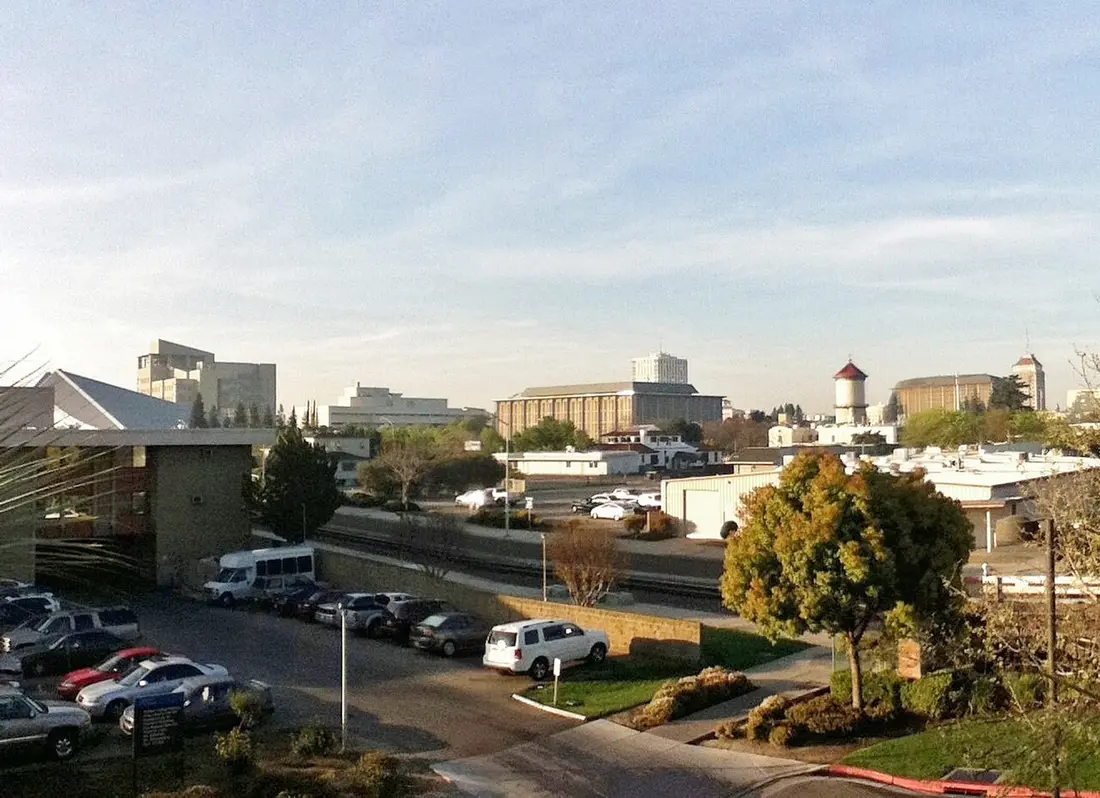
Fresno sits in the middle of the San Joaquin Valley, and its climate writes the pest calendar: summers that run past 100 degrees for weeks, mild winters with dense tule fog, and almost no rain from May to October. Nothing here gets a killing freeze, so pest populations build on each other year after year instead of resetting.
This is farm country first. Almonds, grapes, citrus and stone fruit surround the city on every side, and the irrigation that feeds them - canals, laterals, drip lines and sprinklers - keeps water moving through neighborhoods all season. Where there is constant water, there are constant pests.
How Termite Inspection Works
Walk the exterior
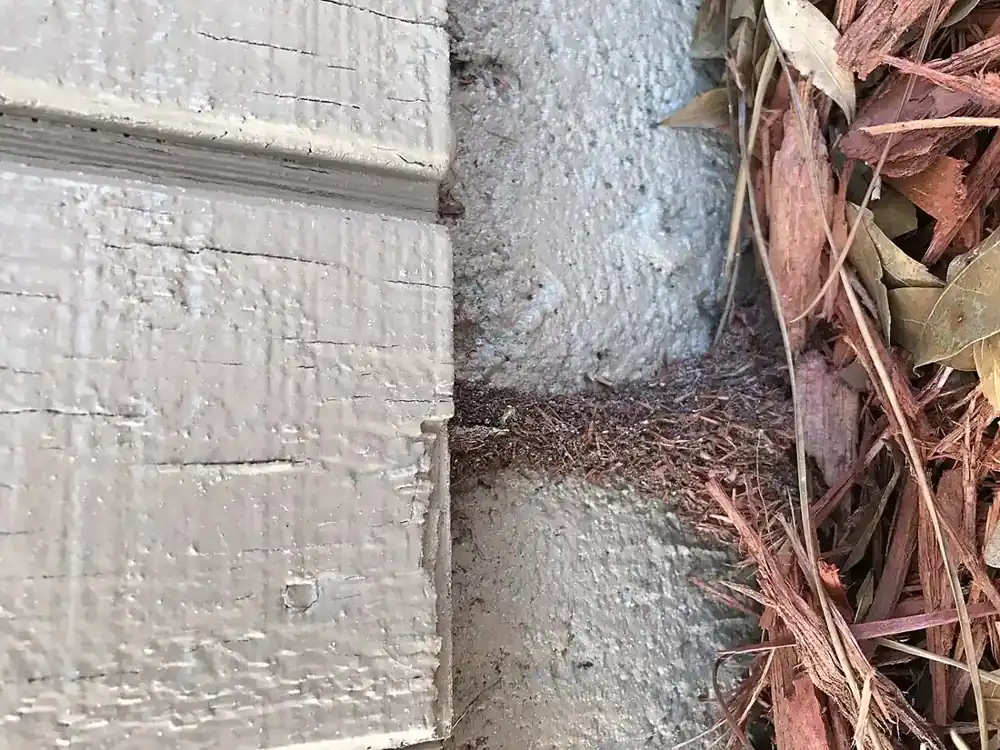
The inspector starts outside: foundation line, stucco grade, irrigation patterns, wood-to-soil contact and conducive conditions.
Check the interior and attic
Baseboards, window frames, plumbing walls, attic framing and eaves are probed and sounded for hidden feeding.
Crawl space or slab check
Where access exists, the subarea is inspected for tubes, damage and moisture; slab homes are checked at edges and plumbing penetrations.
Written report
Findings are documented with locations, evidence and recommended next steps - treatment, repair, or simply a clean bill with prevention notes.
Doing It Yourself vs a Professional
The DIY Route
- A flashlight walk-through misses colonies inside framing and under insulation
- Old damage and active infestation look alike without training
- Lenders and buyers require a documented inspection, not a DIY opinion
VS
The Professional Route
- Full structure check: foundation, crawl space, attic, eaves
- Findings separated into activity, old damage and risk conditions
- Written report you can use for a sale, purchase or repair plan
Keep It From Coming Back
Between inspections, the homeowner is the surveillance system. These checks take minutes, cost nothing, and catch the two things inspections exist to find: fresh evidence and new invitations.
- Keep the report - it is your baseline for the next inspection.
- Act on moisture notes first; they are the least expensive termite prevention there is.
- Ask for the inspection before listing a home, not during escrow.
- Keep attic and crawl access clear so inspections can be thorough.