Emergency Pest Control Through the Fresno Year
Fall belongs to the rodents. As the Valley harvest strips food and cover from the fields, roof rats and field mice move into attics across Fresno - and drywood termites swarm on the hot evenings. Late summer roofline sealing, done before the push, is the difference between a quiet fall and scratching in the ceiling.
Fresno winters are fog and mild cold, not a reset. Tule fog keeps foundations and crawl spaces damp for weeks, rodents that got in stay in, garage black widows stay active, and kitchen cockroaches never notice the season at all. Winter is project season: exclusion, moisture fixes and the inspections that set up spring.
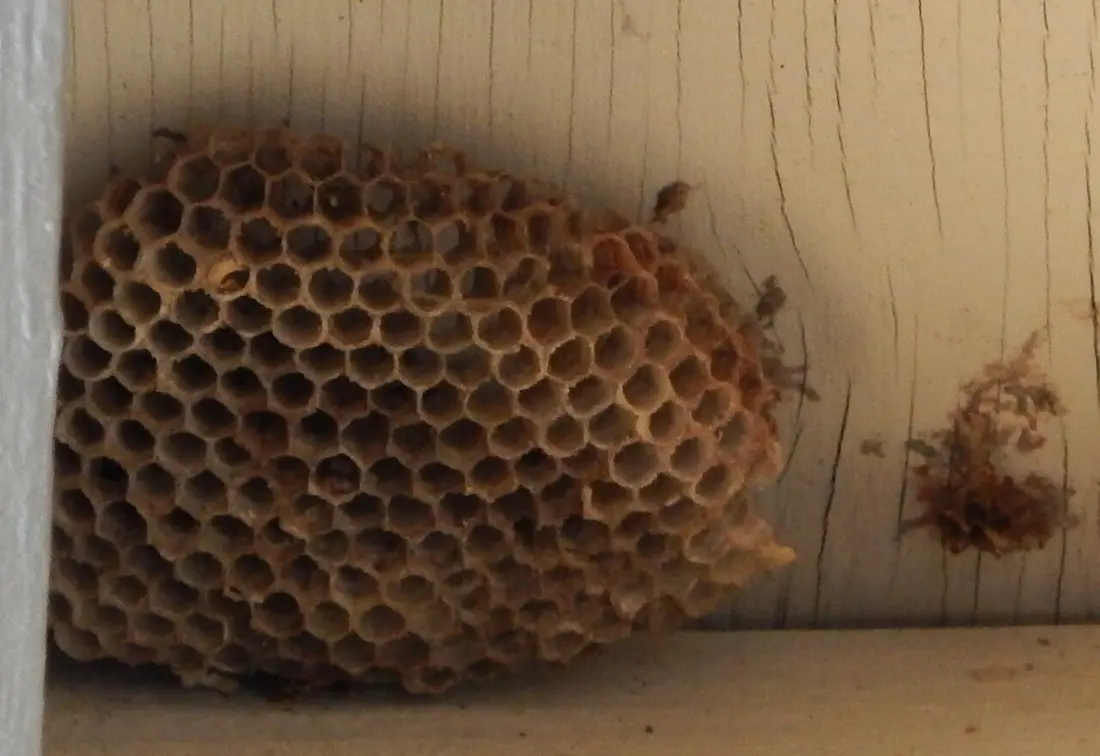
Spring in Fresno brings warm days after the winter rains, and the pests respond on cue: subterranean termites swarm, wasp queens start thumb-sized nests under the eaves, Argentine ants reopen their trails, and mosquito season begins as the irrigation does. It is the inspection season - the month to find problems while they are small.
Emergency Pest Control in Depth
Emergency calls in Fresno cluster into patterns you can set a calendar by. Wasp nests peak in late summer when colonies are largest and most defensive. Bed bug discoveries spike after holiday travel and in back-to-school season when students return to Fresno State housing. Rodent emergencies arrive with the first cold snap and the harvest push. Spider and scorpion scares follow the fall clean-out season, when garages and woodpiles get disturbed for the first time since spring.
What makes a situation an emergency rather than an appointment is rarely the pest count - it is the overlap with people. A nest over a doorway, bugs in a baby's room, rodents chewing where children sleep: the risk and the stress live in the overlap. That is also why the emergency visit emphasizes containment first. Stop the exposure, secure the room or the entrance, and the problem shrinks back to a pest problem, which is a solvable size.
Choosing the Right Help
In an emergency you are choosing under stress, which is exactly when the wrong questions get asked. Ask instead: how fast can someone competent be here, will they contain the problem before selling the solution, and will they tell you plainly if the situation can safely wait for a scheduled visit? A provider who talks you OUT of the emergency call when the facts allow it is a provider you can trust when the emergency is real. Speed matters; sequence matters more.
The Climate Behind It
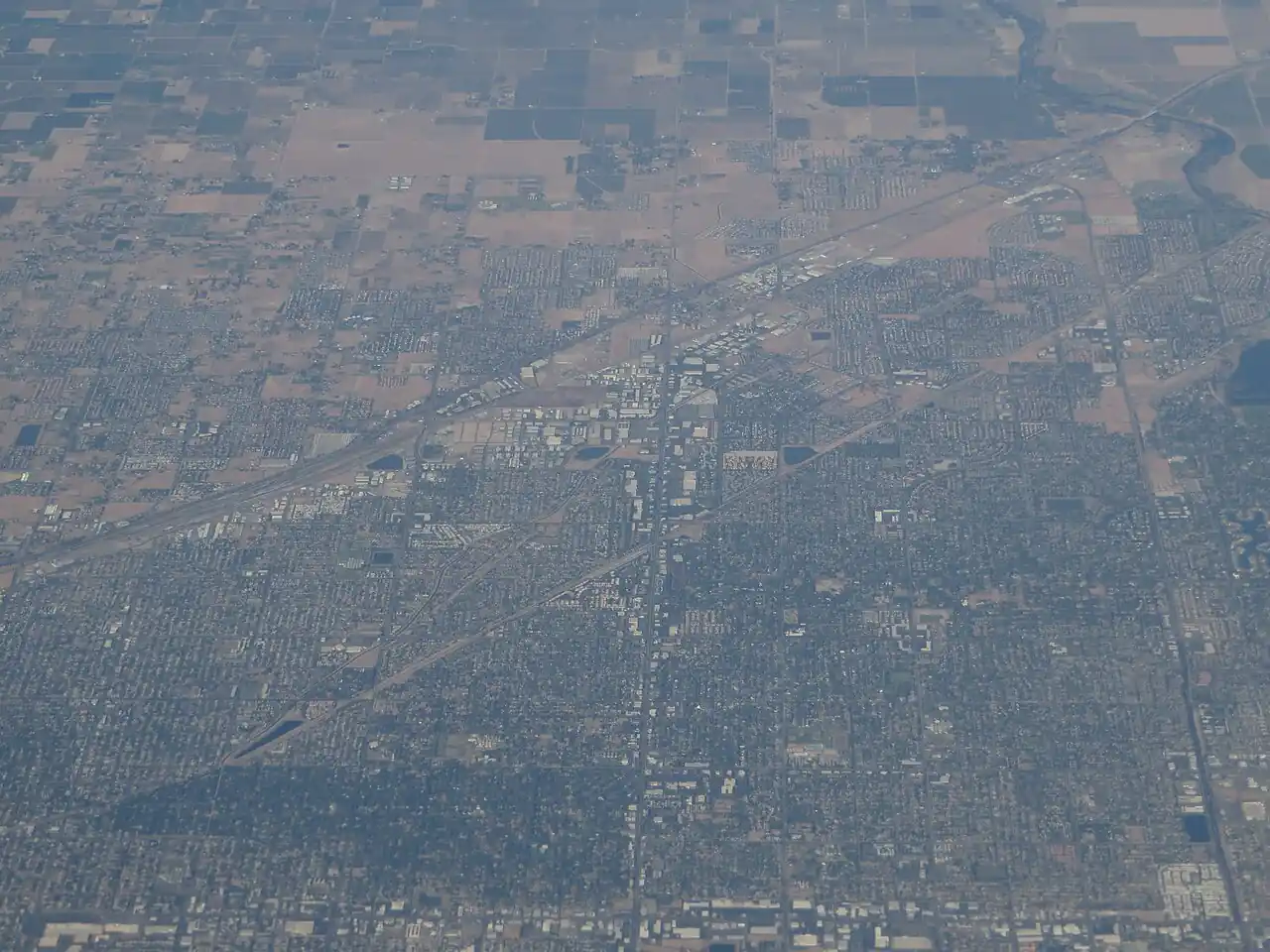
Fresno sits in the middle of the San Joaquin Valley, and its climate writes the pest calendar: summers that run past 100 degrees for weeks, mild winters with dense tule fog, and almost no rain from May to October. Nothing here gets a killing freeze, so pest populations build on each other year after year instead of resetting.
This is farm country first. Almonds, grapes, citrus and stone fruit surround the city on every side, and the irrigation that feeds them - canals, laterals, drip lines and sprinklers - keeps water moving through neighborhoods all season. Where there is constant water, there are constant pests.
How Emergency Pest Control Works
Call and triage
Describe what you are seeing; the call center logs it and gets a technician routed with the right equipment for that pest.
Identify and stabilize
On site, the technician confirms the pest, finds the source, and treats or removes the immediate risk first - the nest, the entry point, the heavy activity zone.
Secure the entry
Openings that let the problem in are sealed or flagged with a clear plan, so the emergency does not repeat next week.
Follow-up plan
You get a written summary and the follow-up timing the situation needs - some emergencies are one visit, others need a second pass.
Doing It Yourself vs a Professional
The DIY Route
- Spraying a wasp nest at a doorway usually scatters angry wasps into the home
- Poison set out in a panic can drive rodents to die inside walls
- Store sprays on a heavy roach problem mostly scatter it to new rooms
VS
The Professional Route
- Triage on the call, so the visit starts with the right equipment
- Source and entry point handled the same visit whenever possible
- A follow-up plan in writing, not just a one-time spray
Keep It From Coming Back
Most emergencies were appointments once. The habits below remove the common precursors - the unnoticed nest, the unsealed gap, the suitcase unpacked on the bed - before they become tonight's call.
- Keep the number saved - a 2 a.m. rodent problem is no time to start searching.
- Photograph what you see; a clear photo helps the technician arrive with the right gear.
- Do not spray wasp nests at doors yourself - disturbed nests are when stings happen.
- Note when sounds or sightings happen; timing patterns help identify the pest fast.