The Daytime Mosquito in Fresno: Aedes Aegypti and What Actually Controls It
Aedes aegypti, an invasive container-breeding mosquito, is established in Fresno and bites during the day.
Read the Guide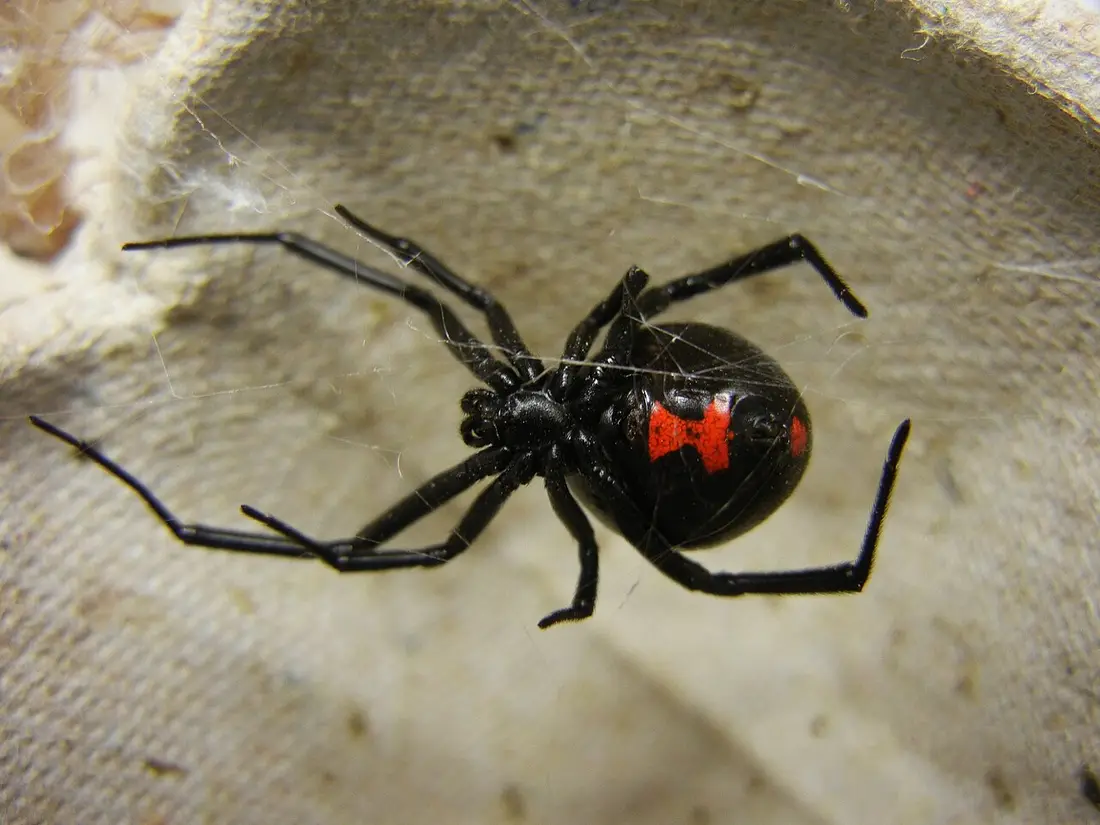
Black widows are a normal part of Fresno garages, woodpiles and block walls.
Problem: Black widows are a normal part of Fresno garages, woodpiles and block walls.
Solution: Treat the habitat, remove webs and egg sacs, and cut the insect prey that feeds them.
When to call: Call when you find widows repeatedly, egg sacs in storage, or widows near kids' and pets' areas.
Almost every Fresno home has a black widow somewhere - the corner of the garage, the bottom of the woodpile, the back of the irrigation box. They are not coming for you; they are shy, patient hunters. But their favorite habitat is exactly where your hands go without looking, and that is worth managing.
The city itself adds pressure. Fresno is the county seat and the largest city in the Valley, with neighborhoods that range from 1920s historic districts to subdivisions still being framed at the city edge - and every era of housing has its own pest profile, from drywood termites in old eaves to field rodents at the construction frontier.
The female black widow is unmistakable once you know her: glossy jet black, round abdomen, and a red hourglass mark on the underside. She hangs upside down in a messy, irregular web built low to the ground in a sheltered spot, and she stays there - widows rarely wander.
Males are smaller, browner and harmless-looking, and they are not the ones in the stories. Bites almost always happen the same way: a hand reaches into a dark space - a woodpile, a box, a glove - and traps her against skin.
The habitat formula is dark, dry, quiet and near the ground: garage corners and storage boxes, stacked firewood, meter and irrigation boxes, the voids in block walls, under patio furniture and hot tub covers, inside rarely opened sheds.
Fresno garages suit them nearly year-round - warm, cluttered and full of the insects they eat. Every widow is also a sign of a food supply: where widows thrive, other insects are thriving first.

Stop, back off, and leave her alone - a widow in her web will not chase you. Keep kids and pets away from the spot and note exactly where she is. Do not reach into the surrounding storage to investigate; that is how bites happen.
If widows turn up repeatedly, or egg sacs - small round papery balls in the webbing - appear in stored items, that is a service call: the habitat gets treated, webs and sacs are removed, and the prey insects feeding the population are addressed in the same visit.
Widow control is mostly housekeeping with a treatment behind it: declutter the garage floor line, store things in sealed bins instead of cardboard, stack wood off the ground away from the house, and shake out stored gloves, shoes and gear before they go on.
Cut the food and the widows thin out on their own: yellow porch bulbs or motion lights draw fewer insects to windows and eaves, and regular general pest service keeps the prey population low enough that a garage stops being a good hunting ground.
A black widow is a symptom of a working garage ecosystem: clutter for shelter, insects for food, warmth for most of the year. Garages that store cardboard, rarely moved equipment and yard gear against the walls offer all three in layers - which is why the same garages produce widows every season while a neighbor's tidy garage produces none.
The web locations map the system. Widows at the floor line are hunting ground insects; widows near windows and doors are hunting the insects your lights attract. Reading the map tells you which half of the problem - habitat or food - is bigger at your home.
Risk management for widows is about zones, not fear. The high-traffic zones - play areas, pet runs, the path to the trash bins, the shoes by the back door - deserve the strictest standard: no undisturbed storage, regular web clearing, and gloves for any reaching into dark spaces.
Teach the household the two habits that prevent nearly every bite: shake out anything that has been stored before it goes on your body, and never reach where you cannot see. Widows do not hunt people; bites happen at the moment a hand arrives unannounced in a web's corner.
Spider control is food control wearing a different uniform. Webs are placed where prey travels - at lights, windows, eaves and clutter - so a home rich in insects and undisturbed corners will always be rich in spiders. The durable program reduces prey with exterior treatment and lighting choices, removes webs and egg sacs physically, and declutters the harborage. Spraying spiders directly, by contrast, is a snapshot of a process still running.
That is the service side of this guide's problem. When you are ready, the Spider Control page carries the process, the coverage by neighborhood and the number to call.
Check garage floor lines, woodpiles, meter boxes and sheds - from a distance, with a flashlight.
Webs and egg sacs are knocked down and removed, destroying this generation and the next.
The widow zones and the prey insects around them are treated together.
Sealed bins, raised wood, gloves shaken out - the habits that keep the garage poor habitat.
Every time, no exceptions. The shake-out is the whole safety program in one gesture.
Web removal with sac counts tells you whether the population is shrinking or recruiting.
Widows need undisturbed layers. One wall a month reclaims the garage by fall.
Off the ground, away from the house, gloves on for every armload.
Evening webs near play equipment get cleared first - that is the priority queue.
Widow work prices by habitat volume: a tidy garage with two webs is a short visit; a storage-packed garage, woodpile row and shed system is a habitat project. Quotes should name what is included - web and sac removal, harborage treatment, prey reduction - because 'spraying for spiders' without the habitat work buys a few quiet weeks, not a solved problem.
A widow-focused visit reads the garage like a habitat map: which corners are undisturbed, where the prey insects concentrate, which stored items have not moved since spring. The technician removes webs and egg sacs physically - each sac is hundreds of spiders that never happen - treats the harborage lines, and works through the prey problem at the lights and doorways. The conversation matters as much as the treatment: gloves, shake-outs, woodpile discipline and which storage moves off the floor. Widows are a managed risk, not an eradication fantasy, and a good technician will frame it exactly that way.
Nearly every widow bite in Fresno starts this way. Gloves and a flashlight, every time.
One sac undoes the victory. Webs and sacs come down together.
Cardboard layers are widow apartments. Sealed plastic bins on shelves end the tenancy.
Stored footwear is classic widow habitat. Shake out, every time, no exceptions.
Without habitat and prey work, the next widow moves into the same corner next month.
Black widows ask very little of Fresno: a dark corner, a steady supply of insects, and to be left alone. Deny them the corner and the dinner and they quietly become rare. Keep the gloves shaken, the garage honest and the webs swept, and the Valley's most feared spider goes back to being what it mostly is - a shy neighbor you seldom meet.
Aedes aegypti, an invasive container-breeding mosquito, is established in Fresno and bites during the day.
Read the GuideSmall tan roaches in the kitchen (German) and big dark roaches from outside (Turkestan) are different jobs.
Read the GuideIt can be medically significant - muscle pain and cramping that can spread - especially for children, older adults and pets. Bites are uncommon because widows are not aggressive, but any suspected bite deserves prompt medical advice, not home monitoring.
One widow is normal for Fresno. Infestation language applies when you find them repeatedly, in several spots, or with egg sacs in storage - that pattern means the habitat and food supply need a service visit.
Occasionally, in undisturbed indoor storage, garages and basements; they strongly prefer quiet outdoor and semi-outdoor shelter. Indoor widows usually arrived with stored items or through garage gaps.
Yes, twice over: it treats the harborage areas and removes the insect prey widows depend on. Homes on regular service see widows drop to the occasional stray instead of a resident population.
Almost certainly not. True brown recluses are not established in California; most brown spiders reported as recluses in Fresno are common harmless species. A clear photo or specimen lets a technician identify it properly.
One call connects you with a pest control professional serving Fresno and the surrounding Valley communities - inspection, treatment, exclusion and prevention.
📞 Call Now