Before You Buy a Fresno Home: The Pest Inspection Checklist
A Fresno home's pest history is negotiable information - if you document it before closing.
Read the Guide
Harvest displaces field rodents; roof rats move into Fresno attics every late summer and fall.
Problem: Harvest displaces field rodents; roof rats move into Fresno attics every late summer and fall.
Solution: Trapping plus exclusion - sealing the roofline entries - is the lasting fix.
When to call: Call at the first night scratching, stripped citrus or droppings in the garage.
There is a week every year, usually as the grapes and almonds come off, when Fresno pest phones start ringing with the same call: something is running in the attic at night. It is not a coincidence, and it is not your imagination. It is the harvest, arriving in your roof.
Fresno homeowners learn the pattern fast: ants when the heat spikes, mosquitoes wherever water stands, roaches breeding at full speed in summer kitchens, and rodents riding the harvest into attics every fall. Pest control here is not a one-time event; it is a rhythm matched to the Valley year.
Roof rats and field mice live in the Valley's orchards, vineyards and field edges all summer, feeding and breeding in the cover. When crops are picked and the ground is disced in late summer and fall, that food and cover vanish in days - and every displaced rodent goes looking for the nearest warm, safe structure.
Homes at the edge of Fresno feel it first, but the pressure moves through the whole city along canals, rail lines and tree cover. An attic that was empty in August can hold a nesting rat family by October.
Roof rats are climbers, not burrowers. They travel power lines, fence tops and tree branches, and they nest up high: attics, wall tops, dense ivy and palm crowns. A branch touching your roof is a bridge, and a gap the size of a thumb at a vent, eave or pipe is a front door.
They are also neophobic and habitual - wary of new objects, faithful to old routes. Grease marks along beams and rafters show the highways they run nightly between the nest and the citrus tree in your yard.
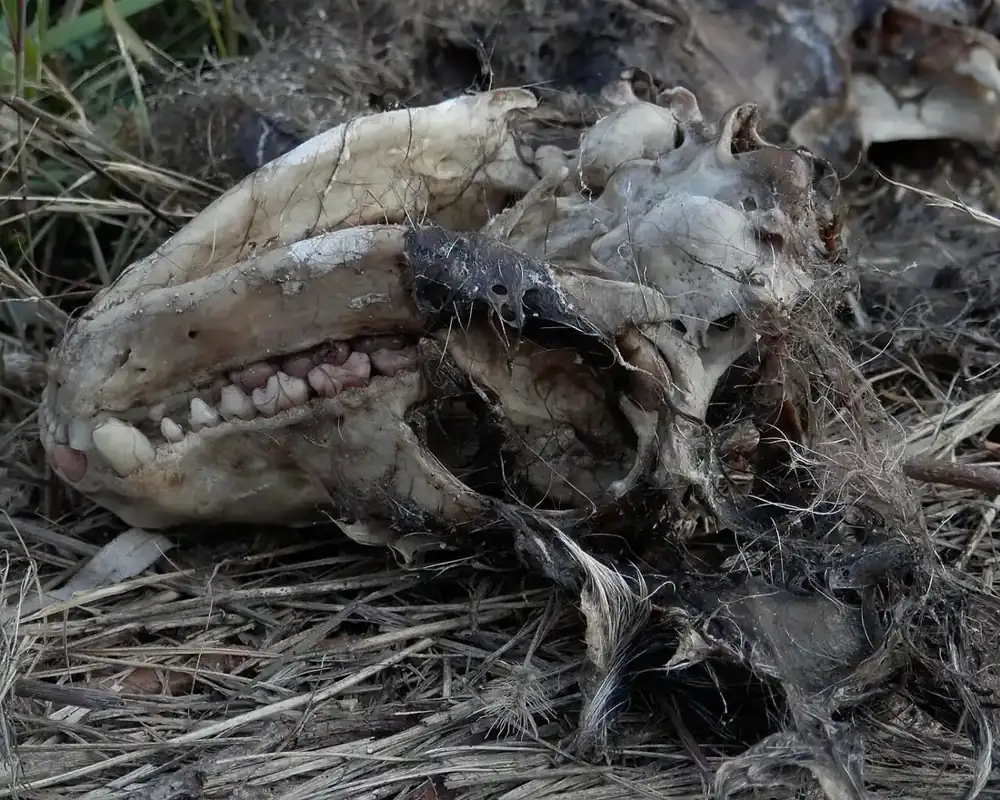
Rodents chew because their teeth never stop growing. In an attic that means insulation shredded for nests, stored boxes gnawed, ducts torn - and wiring stripped, which is a genuine fire risk. Norway rats and mice add pantry contamination downstairs.
The other quiet cost is restocking. Rats leave scent trails that advertise the attic to the next displaced animal, so a home that hosted rats once is first on the list every fall until the entries are sealed.
A real rodent program runs in order: inspect and identify, trap the animals present on their actual routes, then exclude - screen the vents with hardware cloth, seal the pipe and eave gaps, cap the roofline holes with materials rats cannot gnaw through.
Skip the last step and you have bought a subscription: every harvest, new rats follow the old scent through the same holes. Homes that seal after trapping are the ones that stay quiet year after year.
A technician reads an attic the way a tracker reads a trail. Roof rat droppings are capsule-shaped and scattered along runs; grease marks darken the beams and pipes they travel nightly; insulation shows tunneling and nesting pockets, often lined with shredded paper, fabric or palm fiber. Gnawed wiring and chewed PEX are flagged as the hazards they are.
The entry map matters as much as the animal count. Every gap gets logged - the vent with the torn screen, the eave where two roof planes meet, the pipe penetration with daylight around it - because that list becomes the exclusion work order, which is the part of the job that outlives the traps.
Fresno's backyard citrus is roof rat infrastructure. A mature orange tree offers food, water and highway access in one package, and rats hollow fruit out on the branch so neatly that homeowners often blame birds. Fallen fruit feeds the ground crew - mice, opossums and the insects that follow.
Managing citrus is rodent control: pick ripe fruit promptly, clear drops daily in season, and keep the canopy pruned back from the roofline and fences. A tree that touches the house is not landscaping - it is a bridge with leaves.
Rodent control in Fresno is a fencing problem disguised as an animal problem. The city offers roof rats everything: citrus in nearly every older yard, palms and ivy for highways, canals and orchards for reservoir populations, and a harvest calendar that periodically floods the housing stock with displaced animals. Trapping addresses the individuals; exclusion addresses the system - and only the system stays addressed.
That is the service side of this guide's problem. When you are ready, the Rodent Control page carries the process, the coverage by neighborhood and the number to call.
Droppings, grease marks, nests and entry gaps are mapped before any trap is set.
Traps go where rats actually run - rafters, wall tops and garage runs - and are checked and reset.
Vents, eaves, pipe gaps and roof joints are closed with rodent-proof material.
Follow-up checks verify no new activity, droppings or sounds before the job is called done.
Look for the rub marks, the overhanging branches and the vent screens with holes chewed at the corners.
Hollowed fruit still hanging means roof rats are dining in the canopy - and probably commuting from it.
That is roof rat rush hour in the attic. Note where the sound concentrates.
Tunnels, droppings and nesting pockets map the runs; gnawed wires escalate the job from pest to hazard.
Any opening wider than a thumb is a rat door. List them all - the list is the exclusion quote.
Rodent work prices in two parts because it is two jobs: the removal phase (trapping, monitoring, carcass and sanitation) and the exclusion phase (the sealing list, priced by the number and difficulty of openings - a torn vent screen is not a roofline rebuild). Attic restoration, when insulation is contaminated, is a third scope. A single flat quote for all three usually means one of them is not actually included.
A professional rodent visit is mostly a roof and attic investigation. Expect a ladder at every vent and eave, a flashlight map of the attic - droppings, rub marks, tunnels in the insulation - and a written entry list before a single trap is set. Trapping then runs on the mapped runs, checked on a rhythm, while the exclusion crew seals the list with hardware cloth, metal flashing and backer rod. The final visit is a verification: monitors quiet, seals intact, canopy trimmed. When a company wants to talk traps before it has walked your roofline, it is selling the wrong half of the job.
It risks pets, wildlife and owls - and rats that die in walls become an odor problem.
Animals trapped inside die inside. Evict and remove first, then seal.
Rats chew through foam in a night. Entries need metal and hardware cloth.
Ripe and fallen fruit is the buffet that keeps roof rats in your yard.
Quiet weeks happen mid-infestation. Evidence, not silence, tells the story.
Every Fresno fall, the harvest writes the same letter to the same addresses: the homes with open rooflines and touching citrus. You cannot cancel the harvest, but you can remove your address from the mailing list - seal the entries, gap the trees, and let this be the year the letter goes to the neighbor's attic instead. Do it before the discs start running.
A Fresno home's pest history is negotiable information - if you document it before closing.
Read the GuideBed bug treatment fails most often on bad prep, not bad products.
Read the GuideRoof rats are nocturnal. They leave the nest after dark to feed, which is when the running and scratching overhead happens. Daytime silence does not mean they left.
Timing tells: squirrels are daytime animals, rats are nighttime. Droppings and entry damage confirm it on inspection - the control plan differs.
Poisoned rodents often die inside walls and attics, and bait brings risks to kids, pets and the wildlife that eat rodents. Trapping plus exclusion solves the problem without either downside.
Homes that only trapped usually host again, because the holes and scent trails remain. Homes that sealed their entries are largely skipped - the rats move on to easier attics.
About the size of a thumb - roughly half an inch. If a gap fits your thumb at a vent, eave or pipe, it fits a roof rat.
One call connects you with a pest control professional serving Fresno and the surrounding Valley communities - inspection, treatment, exclusion and prevention.
📞 Call Now