Fresno Pest Services

Termite Control in Fresno, CA

Termite control for Fresno homes - subterranean and drywood termites are a year-round threat in the Central Valley, and treatment starts with a real inspection.

Fresno homeowners learn the pattern fast: ants when the heat spikes, mosquitoes wherever water stands, roaches breeding at full speed in summer kitchens, and rodents riding the harvest into attics every fall. Pest control here is not a one-time event; it is a rhythm matched to the Valley year.

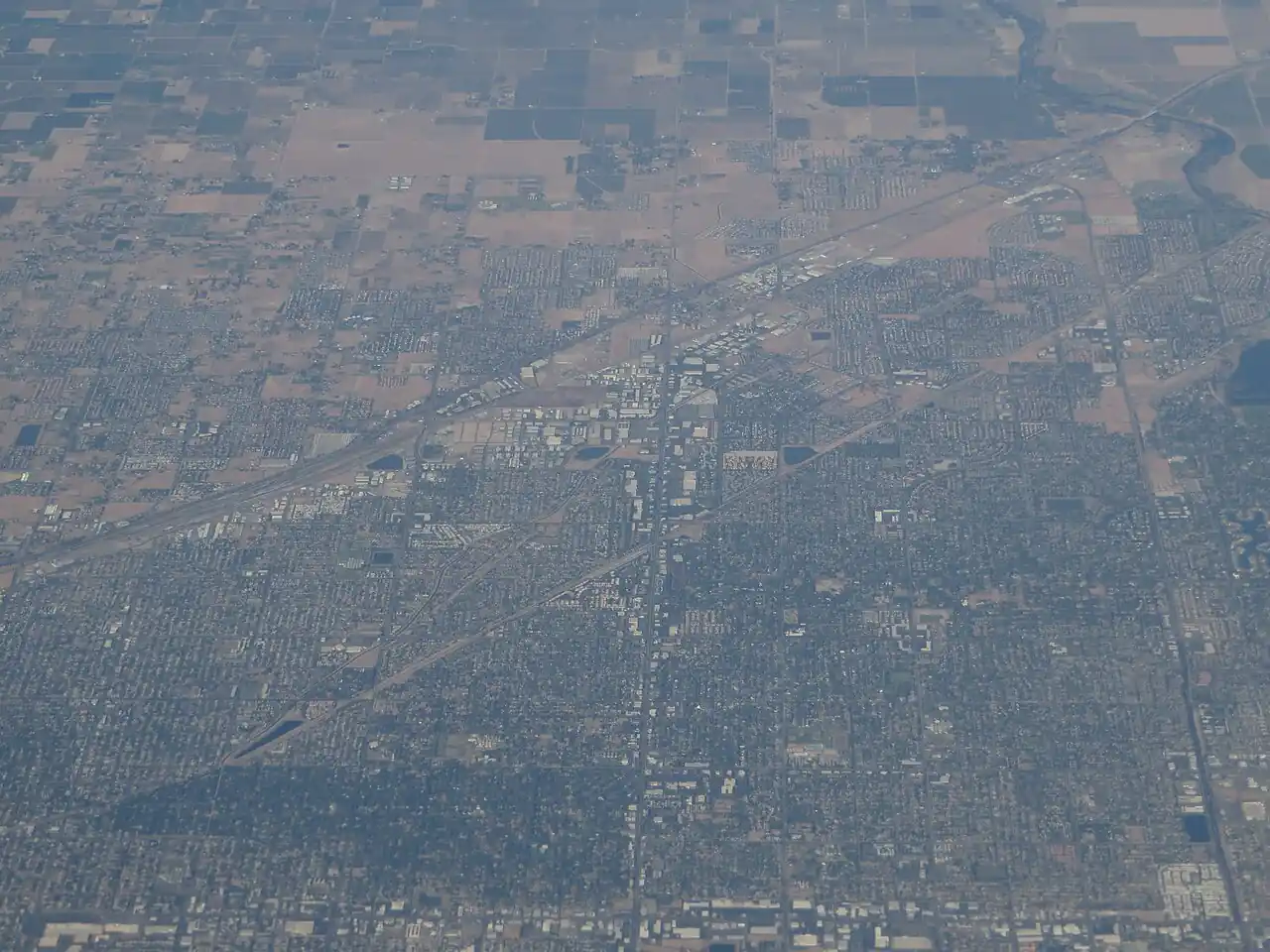
The city itself adds pressure. Fresno is the county seat and the largest city in the Valley, with neighborhoods that range from 1920s historic districts to subdivisions still being framed at the city edge - and every era of housing has its own pest profile, from drywood termites in old eaves to field rodents at the construction frontier.

Signs You Need Termite Control

Mud tubes on the foundation

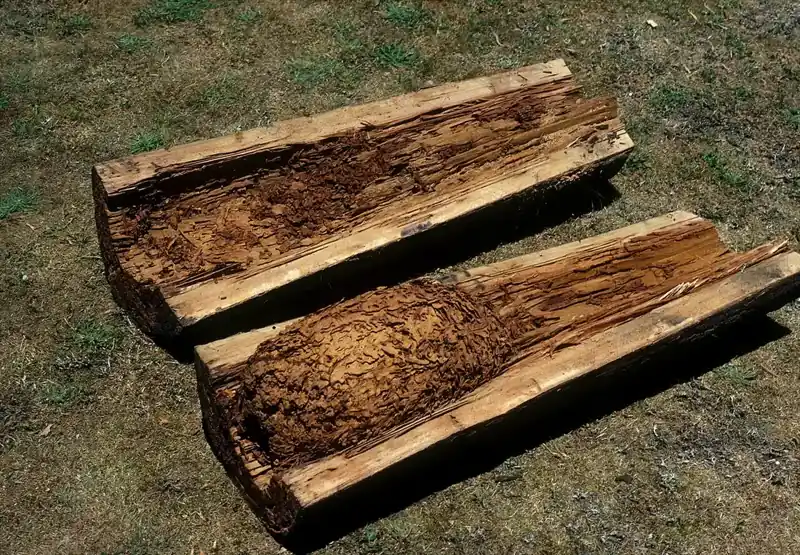
Subterranean termites build pencil-thin mud tubes up concrete and stucco to reach wood while staying moist.

Tiny pellets like sand or pepper

Drywood termites push out frass - small pellet piles under kick-out holes in eaves, window frames and attic wood.

Swarmers in spring

Clouds of small winged insects around lights or windows in spring are termite colonies sending out new kings and queens.

Bubbling or peeling paint

Paint that blisters on window frames or baseboards can hide drywood feeding just underneath.

Hollow-sounding wood

Baseboards, door frames or beams that sound papery when tapped may already be eaten from the inside.

Discarded wings

Piles of identical small wings on sills after a warm day are the calling card of a recent swarm.

Why Termite Control Is a Standing Job in Fresno

Subterranean termites live in the soil and need moisture - Fresno's drip irrigation, sprinkler overspray and leaky hose bibs keep the ground at the foundation line damp enough for colonies year-round. Wood-to-soil contact, like a fence post or a form board left in the ground, is an open invitation.

Drywood termites need no soil at all. They fly in during late summer and fall swarms and start colonies inside dry wood - attic framing, eaves, fascia, window frames and even furniture. Older neighborhoods with big attic vents give them easy landings.

Both types love what Fresno has: wood-frame construction, warm temperatures for most of the year, and landscaping that keeps moisture against the house. Treatment plans are built around which type - or both - the inspection finds.

Termite Control Through the Fresno Year

Summer is peak pest season in the Valley. Mosquitoes breed on a roughly weekly cycle in standing water, ants pour indoors hunting moisture through every heat wave, cockroaches breed at top speed in warm kitchens, and black widows settle into every quiet garage corner. Exterior service in summer is what holds the line.

Spring in Fresno brings warm days after the winter rains, and the pests respond on cue: subterranean termites swarm, wasp queens start thumb-sized nests under the eaves, Argentine ants reopen their trails, and mosquito season begins as the irrigation does. It is the inspection season - the month to find problems while they are small.

Fresno winters are fog and mild cold, not a reset. Tule fog keeps foundations and crawl spaces damp for weeks, rodents that got in stay in, garage black widows stay active, and kitchen cockroaches never notice the season at all. Winter is project season: exclusion, moisture fixes and the inspections that set up spring.

Termite Control in Depth

Fresno sits in one of California's most active subterranean termite zones, and the Valley adds a second act: drywood colonies in the framing itself. The two problems behave differently enough that treating one while missing the other is a classic local failure. Subterranean work is about the soil barrier and the moisture that lets colonies reach the house; drywood work is about locating galleries in wood that may be twenty feet from the nearest soil.

The economics argue for sequence. Inspection maps both risks; treatment addresses what is active; and the boring annual rhythm of moisture control and re-inspection keeps the finding small next time. Fresno homeowners who treat termites as a one-time purchase relearn the lesson at resale. Homeowners who treat them as a standing condition of Valley homeownership mostly stop thinking about termites at all.

Choosing the Right Help

Choosing termite treatment is choosing a diagnosis before it is choosing a product. Ask what species were found, where the evidence sits on a map of your home, and why the recommended method fits that map - localized treatment, perimeter program or fumigation are different answers to different findings. Ask, too, what the warranty actually says in writing and what your annual re-inspection rhythm will be. In termite work, the paperwork is not bureaucracy; it is the product's second half.

The Climate Behind It

Fresno sits in the middle of the San Joaquin Valley, and its climate writes the pest calendar: summers that run past 100 degrees for weeks, mild winters with dense tule fog, and almost no rain from May to October. Nothing here gets a killing freeze, so pest populations build on each other year after year instead of resetting.

This is farm country first. Almonds, grapes, citrus and stone fruit surround the city on every side, and the irrigation that feeds them - canals, laterals, drip lines and sprinklers - keeps water moving through neighborhoods all season. Where there is constant water, there are constant pests.

How Termite Control Works

Full termite inspection

A trained inspector checks the foundation line, crawl space, attic, eaves and interior wood, and maps exactly where activity and damage are.

Identify the type

Subterranean and drywood termites are treated very differently, so the plan names the species and the evidence before any work is quoted.

Treat the colony

Subterranean work targets the soil colony and its routes into the structure; drywood work targets the infested wood itself, locally or across the structure as the evidence demands.

Repair and prevention notes

You get a clear record of findings, treatment and the moisture and wood-to-soil fixes that keep the next colony out.

Doing It Yourself vs a Professional

The DIY Route

  • Surface sprays never reach a subterranean colony in the soil
  • Drywood colonies live deep in framing - spot sprays miss satellite galleries
  • Without an inspection you cannot know which type you are fighting
VS

The Professional Route

  • Inspection maps activity and damage before any treatment is sold
  • Treatment is matched to the species - soil colony work vs in-wood work
  • Moisture and wood-to-soil corrections are part of the plan

Keep It From Coming Back

Treatment handles today's colony; prevention prices out tomorrow's. These are the conditions Fresno inspectors flag most, and every one is cheaper to fix than a single gallery of damage.

  • Keep soil and mulch a few inches below the stucco and siding line.
  • Fix irrigation overspray so sprinklers never wet the foundation.
  • Remove wood-to-soil contact: form boards, stumps, fence posts touching the house.
  • Store firewood well away from the structure, off the ground.
  • Screen attic and foundation vents to block drywood swarmers.
  • Schedule regular inspections - catching a colony early is the least expensive control there is.
Termite Control in the Valley Cities

The communities around Fresno share its pest calendar - with their own twists.

Termite Control in Clovis

Clovis is Fresno's sister city to the northeast, known for Old Town Clovis, the Clovis Rodeo - held since 1914 - and the Clovis Unified school district. Old Town's early-1900s core gives way to large newer subdivisions at the foothill edge.

Termite Control in Madera

Madera is the county seat of Madera County, about 23 miles northwest of Fresno on Highway 99. The 1917 county courthouse is now a museum, and the city sits in the middle of almond orchards and the Madera Wine Trail.

Termite Control in Sanger

Sanger sits east of Fresno on Highway 180, the road to Kings Canyon. It has called itself the Nation's Christmas Tree City since 1949, for the General Grant giant sequoia in Kings Canyon National Park, and citrus and stone-fruit packing anchors the local economy.

Termite Control in Selma

Selma, south of Fresno on Highway 99, calls itself the Raisin Capital of the World - the surrounding vineyards dry a large share of the world's raisins. The city mixes an older downtown with tracts that end at the vine rows.

Where Termite Control Is Needed Most

In north Fresno - Woodward Park, River Park, Pinedale, Fig Garden, Old Fig Garden and Tower District, Downtown Fresno, Bullard, Northwest Fresno, Sunnyside - the housing runs from historic districts to brand-new subdivisions, and termite control follows the construction: older wood, mature trees and river-corridor greenery in the established neighborhoods, field-edge pressure in the new ones.

Central and south Fresno - Southeast Fresno, McLane, Hoover, Roosevelt, Edison, West Fresno and Central Fresno, North Growth Area, Copper River, Easton, Calwa, Biola - hold the city's older housing stock, its apartment corridors and its industrial-ag edges, which together make this the steadiest termite control territory in the city.

Beyond the city line, the same work runs in Clovis, Madera, Sanger, Selma, Kerman, Fowler, Reedley, Kingsburg, Parlier - Valley communities wrapped in orchards and vineyards, where the farm calendar drives pest pressure as much as the weather does. Every one of these area pages carries the local detail for termite control in that community.

Coverage, In Full

Termite Control runs across the whole service map: the north Fresno neighborhoods of Woodward Park, River Park, Pinedale, Fig Garden and Old Fig Garden; the Tower District, Downtown Fresno, Bullard, Northwest Fresno, Sunnyside and Southeast Fresno; McLane, Hoover, Roosevelt, Edison, West Fresno and Central Fresno; the North Growth Area and Copper River; the Fresno County communities of Clovis, Biola, Calwa, Malaga and Easton; and the Valley cities of Madera, Sanger, Selma, Kerman, Fowler, Reedley, Kingsburg and Parlier. One call covers all of it - the local pages above carry the detail for each. If your street is not named here, call anyway: routes grow with demand, and most Fresno addresses are already within reach of a scheduled run.

From the Fresno Pest Guides

Termite Control Questions

Is Fresno really a high-risk area for termites?

Yes. UC IPM guidance places subterranean termites as very abundant in most of California, and drywood termites occur throughout the Central Valley. Fresno's warm climate and irrigated landscaping keep both active most of the year.

When do termites swarm in Fresno?

Subterranean termites typically swarm in spring after warm rains, while drywood swarmers fly in late summer and fall, often on hot evenings. A swarm indoors means a colony is in or under the structure.

How often should a Fresno home get a termite inspection?

Every one to two years is a sensible rhythm in the Valley, and always before buying or selling. Homes with prior activity or heavy irrigation against the foundation should be checked yearly.

Do termite treatments also kill other pests?

Termite work is targeted at termites and their routes - it is not a general pest treatment. Your inspector will flag other pest activity found during the visit so it can be handled under the right service.

Which termites are common in Fresno - subterranean or drywood?

Both. Fresno's irrigated soil supports subterranean colonies around foundations, and drywood termites infest attic wood, eaves and frames all over the city. The inspection determines which type - or both - your home has.

How can I tell if I have termites in Fresno?

Look for mud tubes on the foundation, pellet piles under eaves, spring swarmers or discarded wings, and wood that sounds hollow. Termites are easy to confuse with ants - swarmers get misidentified constantly - so a professional inspection is the reliable answer.

What does termite treatment in Fresno involve?

It depends on the type and the extent. Subterranean treatment targets the colony in the soil and its entry routes; drywood treatment targets infested wood, sometimes locally, sometimes structure-wide. The inspection report lays out the options your evidence calls for.

What affects the cost of termite control in Fresno?

The species, how far the infestation has spread, the size and construction of the home, and how much repair the damage needs. That is why real quotes follow an inspection, not a phone guess.

Please note: Fresno Pest Pros is an independent directory and referral service, not a pest control contractor. The professionals reachable through this site are independent businesses; any agreement for work is between you and the professional you engage. Service information on this site is general educational material - the scope of any real pest control work is set by an on-site inspection.

Ants in the Kitchen, Scratches in the Attic or Bites in the Night?

One call connects you with a pest control professional serving Fresno and the surrounding Valley communities - inspection, treatment, exclusion and prevention.

📞 Call Now
📞 Call Now