Fresno Pest Services

Rodent Control in Fresno, CA

Rodent control for Fresno homes - roof rats and house mice ride the harvest cycle into attics every year. Trapping, exclusion and sanitation that keep them out.

Fresno homeowners learn the pattern fast: ants when the heat spikes, mosquitoes wherever water stands, roaches breeding at full speed in summer kitchens, and rodents riding the harvest into attics every fall. Pest control here is not a one-time event; it is a rhythm matched to the Valley year.

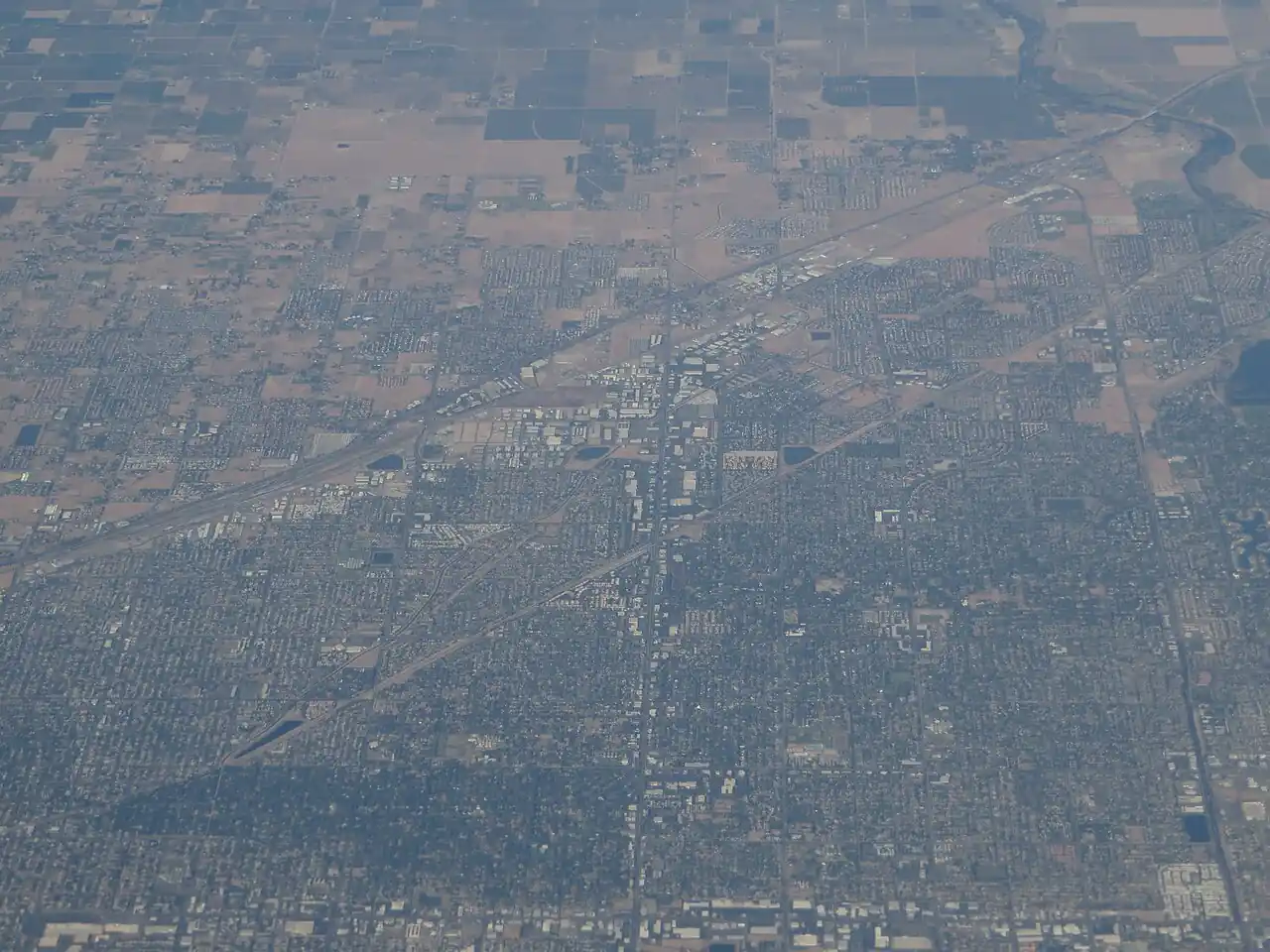
The city itself adds pressure. Fresno is the county seat and the largest city in the Valley, with neighborhoods that range from 1920s historic districts to subdivisions still being framed at the city edge - and every era of housing has its own pest profile, from drywood termites in old eaves to field rodents at the construction frontier.

Signs You Need Rodent Control

Scratching or running in the attic

Roof rats are most active at night; sounds overhead after dark are the most common first sign.

Droppings in garage or pantry

Rat droppings are capsule-shaped, about the size of a raisin; mouse droppings are much smaller, like grains of rice.

Gnaw marks and chewed wiring

Rodents chew constantly - wires, insulation, stored boxes and even PEX plumbing are all targets.

Grease marks along walls

Dark rub marks where rats travel the same route along beams, pipes and fences night after night.

Fruit stripped on the tree

Citrus and other fruit hollowed out while still hanging is roof rat work, very common in Fresno yards.

Nests in stored material

Shredded paper, insulation or fabric nests in garage corners, sheds and attic insulation.

Why Rodent Control Is a Standing Job in Fresno

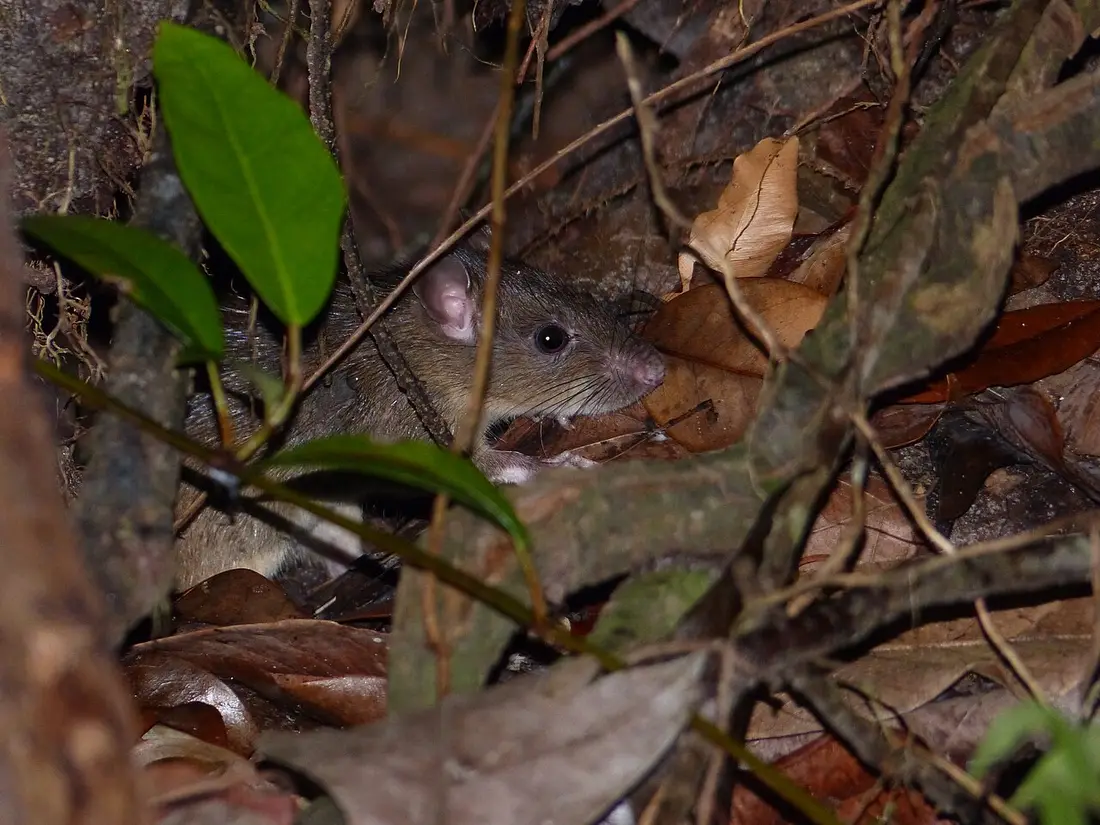
Roof rats live up high: attics, wall tops, dense ivy, palm trees and citrus canopies. A branch touching the roof is a highway, and a gap the width of a thumb at a vent or eave is a front door.

House mice live low and close: garages, kitchens, water heater closets and storage, anywhere within a short run of food crumbs and nesting material. They need a gap only the width of a pencil.

Fresno feeds both. Year-round fruit, pet food left out, bird seed, and harvest-season displacement from the fields keep rodent pressure constant in every neighborhood in the city.

Rodent Control Through the Fresno Year

Fresno winters are fog and mild cold, not a reset. Tule fog keeps foundations and crawl spaces damp for weeks, rodents that got in stay in, garage black widows stay active, and kitchen cockroaches never notice the season at all. Winter is project season: exclusion, moisture fixes and the inspections that set up spring.

Fall belongs to the rodents. As the Valley harvest strips food and cover from the fields, roof rats and field mice move into attics across Fresno - and drywood termites swarm on the hot evenings. Late summer roofline sealing, done before the push, is the difference between a quiet fall and scratching in the ceiling.

Spring in Fresno brings warm days after the winter rains, and the pests respond on cue: subterranean termites swarm, wasp queens start thumb-sized nests under the eaves, Argentine ants reopen their trails, and mosquito season begins as the irrigation does. It is the inspection season - the month to find problems while they are small.

Rodent Control in Depth

Rodent control in Fresno is a fencing problem disguised as an animal problem. The city offers roof rats everything: citrus in nearly every older yard, palms and ivy for highways, canals and orchards for reservoir populations, and a harvest calendar that periodically floods the housing stock with displaced animals. Trapping addresses the individuals; exclusion addresses the system - and only the system stays addressed.

The craft is in the details of the seal. Rodents test edges with their teeth; vents need hardware cloth, not window screen; gaps need metal and backer, not foam alone; and the tree canopy that bridges to the roof needs a two-foot air gap that pruning crews must maintain. A rodent job is finished when the house is a harder target than the neighbor's - unromantic, but that is how pressure redistributes.

Choosing the Right Help

Rodent work is two trades - trapping and carpentry-grade sealing - and providers vary in which one they truly sell. Ask for the entry-point list in writing, the materials used at each point (hardware cloth and metal, not foam alone), and whether follow-up checks confirm the seal held. Ask about the citrus and canopy plan for your specific yard. A quote that is only about traps is a subscription, not a solution; the sealing list is where the value lives.

The Climate Behind It

Fresno sits in the middle of the San Joaquin Valley, and its climate writes the pest calendar: summers that run past 100 degrees for weeks, mild winters with dense tule fog, and almost no rain from May to October. Nothing here gets a killing freeze, so pest populations build on each other year after year instead of resetting.

This is farm country first. Almonds, grapes, citrus and stone fruit surround the city on every side, and the irrigation that feeds them - canals, laterals, drip lines and sprinklers - keeps water moving through neighborhoods all season. Where there is constant water, there are constant pests.

How Rodent Control Works

Inspect and identify

The visit maps droppings, entry points, travel routes and nesting areas, and identifies whether you have roof rats, Norway rats or mice.

Trap the population

Traps are set on the travel routes found in inspection - attic runs, garage walls and exterior paths - and checked and reset as needed.

Seal the entries

Exclusion work closes the gaps: vents screened, pipe and AC line holes sealed, eaves and roofline gaps covered with rodent-proof material.

Sanitation and follow-up

You get the food, storage and yard fixes that keep pressure down, plus follow-up checks to confirm the attic stays quiet.

Doing It Yourself vs a Professional

The DIY Route

  • Poison bait can leave dead rodents inside walls and attics
  • A trap or two rarely matches a breeding attic population
  • Without exclusion, new rats follow the same scent trails back in
VS

The Professional Route

  • Population removed with trapping set on real travel routes
  • Entry points sealed with rodent-proof materials - the lasting fix
  • Attic and sanitation follow-up confirms the problem stays solved

Keep It From Coming Back

Every item below removes either food, water or a doorway - the only three things rodents are ever looking for. Do them in citrus season and before harvest, not after the attic noises start.

  • Trim tree branches at least four feet back from the roofline.
  • Pick up fallen fruit daily in season, and thin dense ivy on fences and walls.
  • Store pet food and bird seed in sealed metal or heavy plastic bins.
  • Screen attic and foundation vents with hardware cloth, not window screen.
  • Declutter garage edges and keep storage off the floor where possible.
Rodent Control in the Valley Cities

The communities around Fresno share its pest calendar - with their own twists.

Rodent Control in Clovis

Clovis is Fresno's sister city to the northeast, known for Old Town Clovis, the Clovis Rodeo - held since 1914 - and the Clovis Unified school district. Old Town's early-1900s core gives way to large newer subdivisions at the foothill edge.

Rodent Control in Madera

Madera is the county seat of Madera County, about 23 miles northwest of Fresno on Highway 99. The 1917 county courthouse is now a museum, and the city sits in the middle of almond orchards and the Madera Wine Trail.

Rodent Control in Sanger

Sanger sits east of Fresno on Highway 180, the road to Kings Canyon. It has called itself the Nation's Christmas Tree City since 1949, for the General Grant giant sequoia in Kings Canyon National Park, and citrus and stone-fruit packing anchors the local economy.

Rodent Control in Selma

Selma, south of Fresno on Highway 99, calls itself the Raisin Capital of the World - the surrounding vineyards dry a large share of the world's raisins. The city mixes an older downtown with tracts that end at the vine rows.

Where Rodent Control Is Needed Most

In north Fresno - Woodward Park, River Park, Pinedale, Fig Garden, Old Fig Garden and Tower District, Downtown Fresno, Bullard, Northwest Fresno, Sunnyside - the housing runs from historic districts to brand-new subdivisions, and rodent control follows the construction: older wood, mature trees and river-corridor greenery in the established neighborhoods, field-edge pressure in the new ones.

Central and south Fresno - Southeast Fresno, McLane, Hoover, Roosevelt, Edison, West Fresno and Central Fresno, North Growth Area, Copper River, Easton, Calwa, Biola - hold the city's older housing stock, its apartment corridors and its industrial-ag edges, which together make this the steadiest rodent control territory in the city.

Beyond the city line, the same work runs in Clovis, Madera, Sanger, Selma, Kerman, Fowler, Reedley, Kingsburg, Parlier - Valley communities wrapped in orchards and vineyards, where the farm calendar drives pest pressure as much as the weather does. Every one of these area pages carries the local detail for rodent control in that community.

Coverage, In Full

Rodent Control runs across the whole service map: the north Fresno neighborhoods of Woodward Park, River Park, Pinedale, Fig Garden and Old Fig Garden; the Tower District, Downtown Fresno, Bullard, Northwest Fresno, Sunnyside and Southeast Fresno; McLane, Hoover, Roosevelt, Edison, West Fresno and Central Fresno; the North Growth Area and Copper River; the Fresno County communities of Clovis, Biola, Calwa, Malaga and Easton; and the Valley cities of Madera, Sanger, Selma, Kerman, Fowler, Reedley, Kingsburg and Parlier. One call covers all of it - the local pages above carry the detail for each. If your street is not named here, call anyway: routes grow with demand, and most Fresno addresses are already within reach of a scheduled run.

From the Fresno Pest Guides

Rodent Control Questions

Do roof rats really live in Fresno attics?

Yes - roof rats are one of the most common structural pests in Fresno. They climb trees and utility lines, enter at the roofline, and nest in attic insulation, especially in neighborhoods with mature citrus and shade trees.

Is rodent poison a good idea in a Fresno home?

Poison carries real downsides indoors: animals can die in walls, and bait is a risk around kids, pets and wildlife. Trapping plus exclusion is the standard, safer approach for homes.

How do rodents get into an attic?

Through gaps at vents, eaves, roof joints and utility penetrations - a rat needs a hole about the size of a thumb. Trees touching the roof and lines running to the house give them the route.

Will sealing really keep rodents out long-term?

Sealing every entry with the right materials is the lasting part of rodent control. Combined with trimming roofline branches and removing yard food sources, it is what separates a one-time catch from a solved problem.

Are they roof rats or mice in my Fresno home?

Overhead night noise, raisin-sized droppings and stripped citrus point to roof rats; tiny droppings in kitchen drawers and garages point to mice. The inspection confirms which - the trapping and sealing plan differs for each.

Why do rodents show up in Fresno every fall?

Harvest. When fields and orchards around Fresno are picked and disced in late summer and fall, the rodents living there lose food and cover at once, and homes - especially near the city edge - are the nearest shelter.

What is exclusion and why does it matter in Fresno?

Exclusion is sealing the holes rodents use to get in: vents, pipe gaps, eave and roofline openings. Trapping without exclusion is a subscription to the same problem, because new animals follow the established scent trails.

What affects the cost of rodent control in Fresno?

The species, how many animals are active, the size of the attic and roofline, and how many entry points need sealing. Exclusion scope is the biggest driver, and it is quoted from the inspection, not guessed by phone.

Please note: Fresno Pest Pros is an independent directory and referral service, not a pest control contractor. The professionals reachable through this site are independent businesses; any agreement for work is between you and the professional you engage. Service information on this site is general educational material - the scope of any real pest control work is set by an on-site inspection.

Ants in the Kitchen, Scratches in the Attic or Bites in the Night?

One call connects you with a pest control professional serving Fresno and the surrounding Valley communities - inspection, treatment, exclusion and prevention.

📞 Call Now
📞 Call Now