German vs Turkestan Cockroaches: Fresno's Two Roach Problems, Explained
Small tan roaches in the kitchen (German) and big dark roaches from outside (Turkestan) are different jobs.
Read the Guide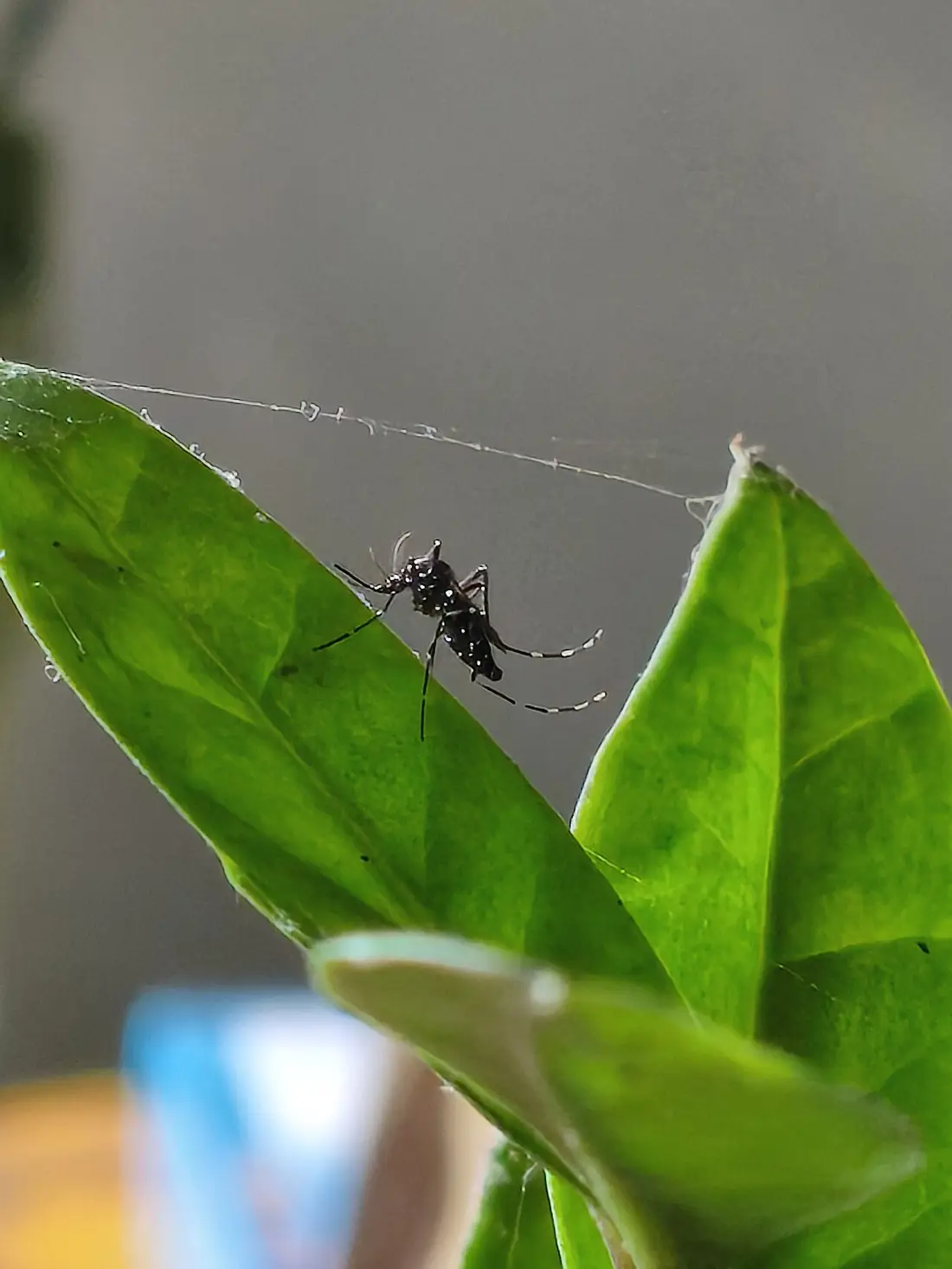
Aedes aegypti, an invasive container-breeding mosquito, is established in Fresno and bites during the day.
Problem: Aedes aegypti, an invasive container-breeding mosquito, is established in Fresno and bites during the day.
Solution: Dump and scrub every small water container weekly; larvicide the water that must stay.
When to call: Call when daytime biting continues after your own source clean-out, or for season-long yard programs.
Fresno has always had mosquitoes - the evening kind, from the canals. The daytime ankle-biter is new. Aedes aegypti, the yellow fever mosquito, has established itself in Fresno over the last decade, and it plays by completely different rules than the mosquitoes the Valley grew up with.
Fresno sits in the middle of the San Joaquin Valley, and its climate writes the pest calendar: summers that run past 100 degrees for weeks, mild winters with dense tule fog, and almost no rain from May to October. Nothing here gets a killing freeze, so pest populations build on each other year after year instead of resetting.
Culex, the traditional Fresno mosquito, breeds in canals, ponds and neglected pools and feeds at dusk. Aedes aegypti breeds in your patio: plant saucers, buckets, clogged drains, tarp folds, fountains, kids' toys - any container that holds a few spoonfuls of water for a week.
It also behaves differently: it bites during the day, aims low at ankles, feeds multiple times and lives within a short flight of where it hatched. When aegypti is biting in your yard, the nursery is in your yard or your neighbor's.
Aedes aegypti's real trick is its eggs. The female glues them just above the waterline in a container, and they survive drying for months - through a Fresno winter, through an empty pot in the garage - then hatch within days when water covers them again.
That is why a one-time clean-out disappoints and why the scrub matters as much as the dump: eggs stick to container walls, and refilling an unscrubbed saucer restarts the cycle immediately.
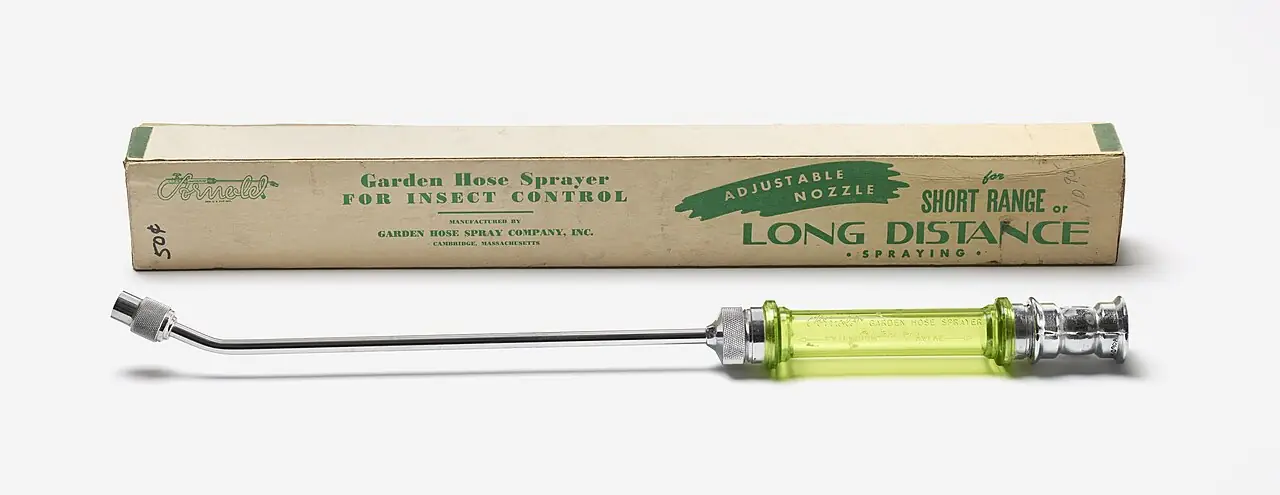
Fresno's two mosquito abatement districts do serious work - surveillance traps, treatment of canals, basins and public water, response to neglected pools, and West Nile monitoring across the county. It is wide-area work, and it works at that scale.
But no district program walks your side yard. The saucer under your tomato plant and the clogged drain behind your AC are private breeding sites, and closing them is the homeowner's half of the system - the half aegypti actually depends on.
Effective aegypti control combines four moves: a weekly dump-and-scrub of every container, larvicide for water that must stay (fountains, drains, ponds), treatment of the shaded resting spots where adults wait out the day, and screens and fans for the spaces you actually sit in.
Mosquitofish handle ornamental ponds - the Consolidated district provides them to residents in its boundaries - and a neglected pool on your street is worth reporting to the district, because one green pool out-produces a hundred patios. Yard service pulls all of this together into a season routine.
Aedes aegypti flies only a few hundred feet in its life, which makes mosquito control a block-level problem. Your spotless yard can still host biters hatched two doors down - and your neglected plant saucer can stock the whole street. Fresno's districts see this in their trap data: aegypti clusters by block, not by city.
That is why the most effective thing a homeowner can do after cleaning their own yard is talk to neighbors - or, for the green pool down the street, report it to the abatement district, which has the authority and the tools for exactly that problem. One neglected pool can out-breed a hundred patios.
While source control shrinks the population, the sitting hour still needs defending. Aedes are weak fliers, and a simple oscillating fan across a patio makes landing nearly impossible for them - field studies of fan use show dramatic drops in bites, and any Fresno patio veteran can confirm it anecdotally by dinner time.
Screens are the second wall: aegypti exploit torn patio screens and propped doors to hunt indoors at midday, which is unusual mosquito behavior and catches people off guard. Keeping screens repaired and doors closed during peak months removes the indoor half of the problem entirely.
Fresno mosquito control runs on two tracks that homeowners often confuse. The districts manage the public system - canals, basins, neglected pools, agricultural water - with surveillance traps setting the treatment map. The homeowner manages the private system: the containers, drains and features within the property line where Aedes aegypti, the yard mosquito, actually breeds. Neither track substitutes for the other.
That is the service side of this guide's problem. When you are ready, the Mosquito Control page carries the process, the coverage by neighborhood and the number to call.
Inventory every container and low spot on the property - the breeding list is always longer than expected.
Empty containers and scrub their walls to remove the glued eggs.
Fountains, drains and ponds get larvicide or mosquitofish so nothing reaches the biting stage.
Shrubs, shaded walls and patio cover posts where adults rest are treated to cut the current biters.
Saucers, buckets, toys, tarps - scrub the rim, because the eggs survive the dump.
Fountains, troughs and rain barrels get larvicide dunks on a calendar, not on memory.
French drains and low spots that hold water after irrigation are aegypti apartments.
One neglected pool out-breeds the street. The district handles it free and discreetly.
A day-biting mosquito that hunts indoors turns screen repair into mosquito control.
Yard mosquito service prices by what stands on the lot: the number of breeding features (fountains, troughs, drains), the density of resting vegetation to treat, and the visit rhythm through the season. The homeowner's weekly source control is free and does half the work; the professional half is barrier treatment of resting sites and larvicide discipline on the water that stays. A quote that skips the source walk is selling spray, not control.
A mosquito service visit starts with a water audit, not a sprayer: the technician walks every container, drain and feature on the lot, dumps what can be dumped, treats what must stand with larvicide, and notes the green-pool and drainage problems that belong to the district. Then the resting sites - the shaded shrub walls, the patio cover undersides, the fence-line ivy - get the barrier treatment that drops the adults currently hunting you. The honest providers will tell you the split plainly: your weekly five minutes does half this job, and their half only works while yours continues.
Aedes eggs survive on the container wall. Dump and scrub, or do not bother dumping.
One storm refills every nursery on the lot. The weekly walk restarts after weather.
Districts treat public water. Your containers are private, and entirely your side of the system.
Moving water in a feature still breeds at the still edges. Larvicide dunks are the answer.
Aedes hunt indoors by day. Screens and closed doors are mosquito control.
Aedes aegypti changed Fresno's mosquito rules: the enemy is small, local and breeding in a bottle cap's worth of water within a stone's throw of your patio chair. That is good news disguised as bad. A problem that close is a problem you can personally finish - five minutes a week, every week, all season. Take the yard back.
Small tan roaches in the kitchen (German) and big dark roaches from outside (Turkestan) are different jobs.
Read the GuideArgentine ant colonies stream into Fresno homes every summer looking for water.
Read the GuideDaytime biting focused on ankles and legs, in a yard with containers, is the signature. Culex bites at dusk near bigger water. The abatement districts also run aegypti-specific traps and can confirm area activity.
It is a known carrier of several viruses elsewhere in its range, which is exactly why California districts work to suppress it. Fresno County's yearly documented mosquito diseases come from Culex - West Nile and St. Louis encephalitis - but aegypti control is treated as prevention that matters.
Two usual causes: an unscrubbed container whose eggs hatched on refill, or a site you missed - a clogged drain, a tarp fold, water in a fence post or a neighbor's neglected pool. A professional yard inspection finds the missed site.
Spraying knocks down resting adults for a while, but the eggs and larvae in containers keep producing. Programs that pair source work and larvicide with adult treatment are the ones that hold all season.
It builds with the heat - roughly May through October, peaking in the hottest months when a generation can turn over in about a week.
One call connects you with a pest control professional serving Fresno and the surrounding Valley communities - inspection, treatment, exclusion and prevention.
📞 Call Now