Ant Control Through the Fresno Year
Fresno winters are fog and mild cold, not a reset. Tule fog keeps foundations and crawl spaces damp for weeks, rodents that got in stay in, garage black widows stay active, and kitchen cockroaches never notice the season at all. Winter is project season: exclusion, moisture fixes and the inspections that set up spring.
Fall belongs to the rodents. As the Valley harvest strips food and cover from the fields, roof rats and field mice move into attics across Fresno - and drywood termites swarm on the hot evenings. Late summer roofline sealing, done before the push, is the difference between a quiet fall and scratching in the ceiling.
Summer is peak pest season in the Valley. Mosquitoes breed on a roughly weekly cycle in standing water, ants pour indoors hunting moisture through every heat wave, cockroaches breed at top speed in warm kitchens, and black widows settle into every quiet garage corner. Exterior service in summer is what holds the line.
Ant Control in Depth
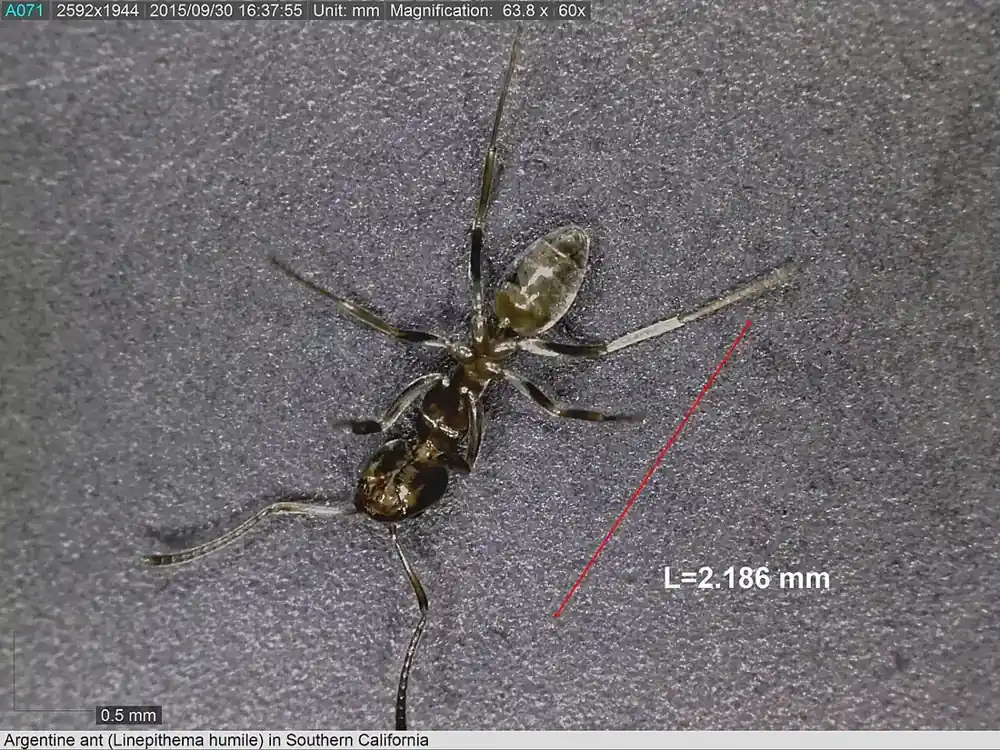
Ant control fails in Fresno for one reason above all: people treat the visible ten percent. The trail in the kitchen is a commute, not a colony, and killing commuters with contact spray mostly teaches the colony to split, reroute and re-enter somewhere less visible. Argentine ant networks are polydomous - many nests, many queens, one vast shared workforce - which is why bait transfer through the network outperforms barrier killing for this species.
The second failure is fighting the calendar. Indoor trails in July are the overflow of an outdoor network at peak population drinking from your irrigation. Homes that combine network baiting outdoors with water discipline - the leaks fixed, the pet water moved, the aphid shrubs washed - find the indoor problem solves itself as a side effect. Fresno ant control is won outside, in the wet places, weeks before it looks won inside.
Choosing the Right Help
Ant work reveals its quality in the first five minutes: does the technician identify the species and follow a trail outdoors, or spray the trail they can see? Ask whether the plan baits the network, what the water corrections on your side are, and what the summer rhythm looks like. Given Argentine ants' block-wide colonies, also ask the uncomfortable question - what happens if the pressure is coming from a neighbor's yard - and judge the provider by the honesty of that answer.
The Climate Behind It
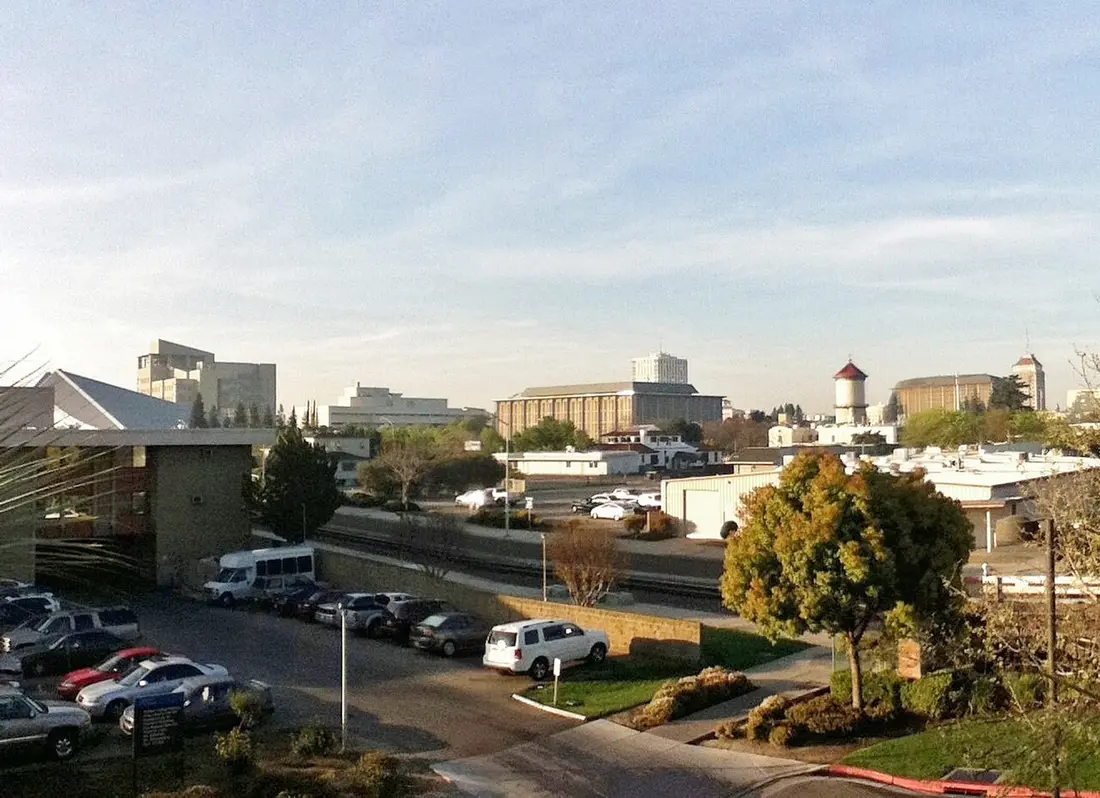
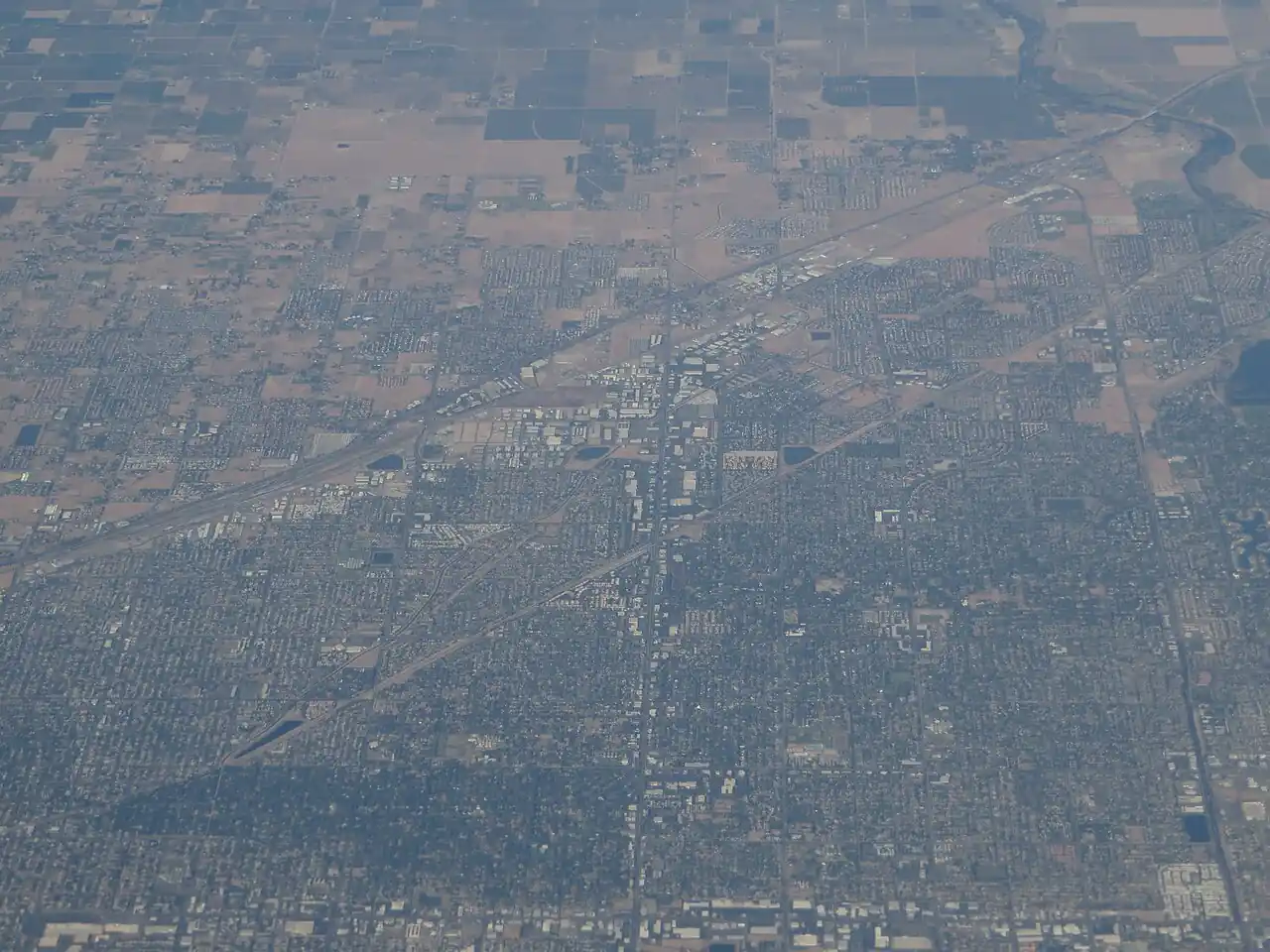
Fresno sits in the middle of the San Joaquin Valley, and its climate writes the pest calendar: summers that run past 100 degrees for weeks, mild winters with dense tule fog, and almost no rain from May to October. Nothing here gets a killing freeze, so pest populations build on each other year after year instead of resetting.
This is farm country first. Almonds, grapes, citrus and stone fruit surround the city on every side, and the irrigation that feeds them - canals, laterals, drip lines and sprinklers - keeps water moving through neighborhoods all season. Where there is constant water, there are constant pests.
How Ant Control Works
Identify the species
Argentine ants, pavement ants and carpenter ants are handled differently - the visit starts with a positive ID and a map of the trails.
Bait the colony system
Baits workers carry back to the nests do the heavy lifting for Argentine ants, reaching queens that sprays never touch.
Treat the exterior source
Nesting zones along foundations, sidewalks, garden beds and sprinkler lines are treated where the colonies actually live.
Cut the indoor pull
You get the water and food fixes - leaks, pet food, aphid-heavy shrubs - that keep foragers from returning.
Doing It Yourself vs a Professional
The DIY Route
- Repellent sprays split Argentine colonies into more nests (budding)
- Killing the visible trail leaves the queens and the network intact
- Sugar-water home baits rarely match the colony's current food preference
VS
The Professional Route
- Species identified first - treatment differs by ant type
- Bait carried back to the nests reaches the queens sprays miss
- Exterior source zones and water pull handled together
Keep It From Coming Back
Ant prevention is mostly water and food-route management. Break the routes, dry the stops, and the network invests in your neighbor's yard instead of your kitchen.
- Fix hose bibs, sprinkler leaks and AC condensation drips promptly.
- Move pet food indoors at night and store it sealed.
- Keep mulch and garden beds a few inches off the foundation.
- Trim shrubs so they do not touch the house, and wash off aphid honeydew.
- Seal the gaps where pipes and wires enter - ants use them as doors.