Before You Buy a Fresno Home: The Pest Inspection Checklist
A Fresno home's pest history is negotiable information - if you document it before closing.
Read the Guide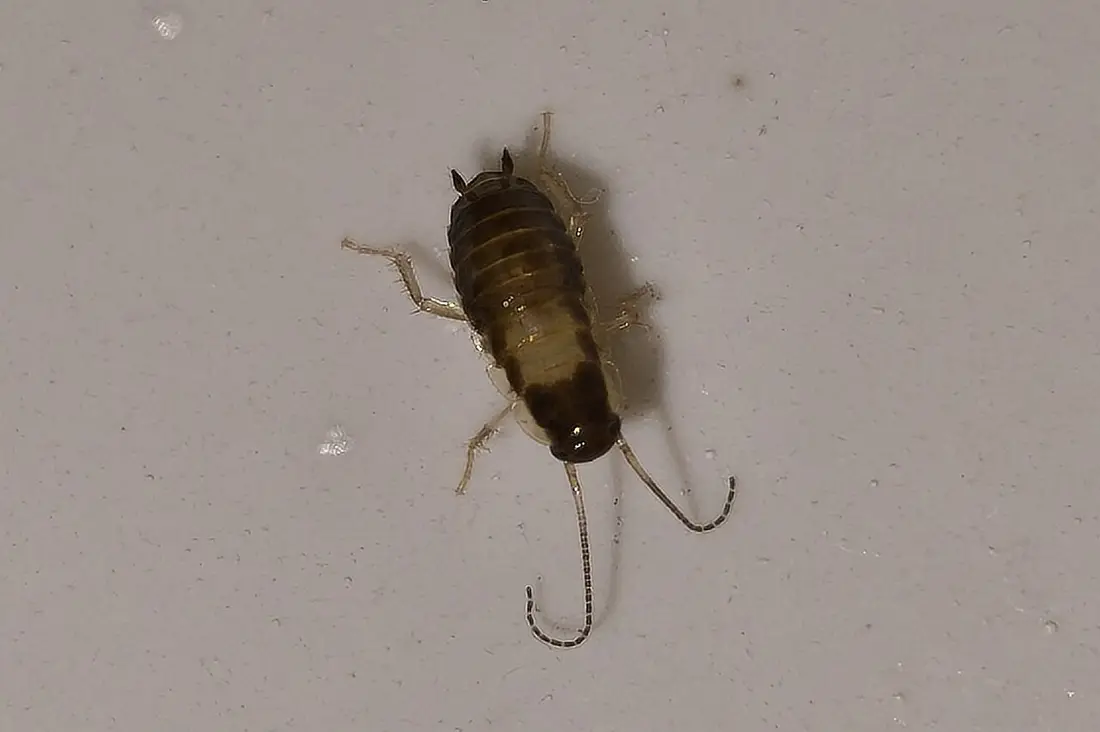
Small tan roaches in the kitchen (German) and big dark roaches from outside (Turkestan) are different jobs.
Problem: Small tan roaches in the kitchen (German) and big dark roaches from outside (Turkestan) are different jobs.
Solution: Identify the species first - German needs indoor harborage baiting, Turkestan needs outdoor source control.
When to call: Call when you see roaches in daylight, egg cases in cabinets, or droppings in drawers - signs of an established infestation.
Ask a Fresno pest technician about roaches and the first question back is always: which kind? The city has two cockroach problems that share a name and almost nothing else - where they live, how fast they breed and how they are controlled are all different.
This is farm country first. Almonds, grapes, citrus and stone fruit surround the city on every side, and the irrigation that feeds them - canals, laterals, drip lines and sprinklers - keeps water moving through neighborhoods all season. Where there is constant water, there are constant pests.
The German cockroach is the small one - about half an inch, light brown, with two dark stripes behind its head. It lives indoors only, in the warm, tight spaces within a few feet of water: behind the refrigerator, inside cabinet hinges, under the sink, in the motor housing of the dishwasher and coffee maker.
It is a breeding machine. A female carries her egg case - holding dozens of young - until the moment it hatches, protecting it from most treatments. In a warm Fresno kitchen, one female in spring can mean thousands of descendants by fall.
The Turkestan cockroach is the big dark one in the garage, the meter box and the leaf litter. Over the last decades it has largely replaced the old oriental cockroach outdoors in the Central Valley, thriving around older buildings, block walls, drains and irrigation boxes.
Turkestan roaches mostly live outside and wander in through gaps, especially in summer heat. The males can flutter short distances, which is why one occasionally turns up somewhere surprising, like a bathroom ceiling.
German cockroach control is indoor, detailed work: vacuuming out harborage, gel bait in hinges and voids, treatment of appliance motors and follow-up visits timed to egg hatch. Spraying baseboards does almost nothing, and foggers actively scatter them deeper into walls and into the next apartment.
Turkestan control is outdoor source work: treating and cleaning the meter boxes, leaf litter, garage edges and block-wall voids where they live, and sealing the gaps they use to come in. Treating the kitchen counters for a Turkestan problem is work in the wrong room.
Fresno's apartment stock is where German cockroaches do their worst, because shared plumbing walls are highways. One untreated unit reseeds its neighbors for months, which is why building-level coordination beats unit-by-unit spraying every time.
If you are a renter, report roach activity early and in writing. If you manage rentals, an inspection between tenants - when units are empty and accessible - is the least expensive roach control you will ever buy.
Technicians identify roach problems from evidence, not just sightings. German cockroach droppings look like ground pepper in cabinet hinges and drawer corners; their egg cases are light-brown capsules about the size of a grain of rice, glued in protected seams. Turkestan evidence lives outside: egg cases in meter boxes and leaf litter, shed skins in garages, live roaches scattering when stored items move.
The distribution tells the story too. Roaches concentrated in one kitchen wall are German until proven otherwise. Roaches spread across garage, patio and drains - with only occasional indoor wanderers - are Turkestan. Treatment follows that map, which is why a good first visit looks like detective work.
Cockroaches earn their bad reputation honestly. They move between drains, waste and food surfaces, carrying bacteria mechanically as they go, and their droppings and shed skins are a well-established trigger for asthma and allergies - particularly in children, and particularly in bedrooms and kitchens where exposure is constant.
That health angle changes the math on 'a few roaches.' A light German infestation is not a stable state; it is an early one. Populations grow geometrically in warm housing, and the allergen load grows with them. Early treatment is cheaper in every currency.
Cockroach control turns on a single diagnostic question: where is the population centered? German cockroaches answer 'inside, in the warm wet voids near food,' and the job becomes harborage-by-harborage detail work - baits in hinges and appliance voids, cracks sealed, sanitation tightened. Turkestan cockroaches answer 'outside, in the boxes and litter,' and the job becomes a perimeter and utility project. The same sighting, two different professions.
That is the service side of this guide's problem. When you are ready, the Cockroach Control page carries the process, the coverage by neighborhood and the number to call.
Size, color, stripes and where the roaches are found settle the ID - everything else follows from it.
For German: hinges, motors, voids. For Turkestan: meter boxes, litter, garages and drains.
Baits and targeted work in the harborage - not broadcast spraying in living space.
Egg hatch and outdoor pressure both demand a second look; monitors confirm the trend is down.
Warmth, moisture and crumbs: the German cockroach penthouse. Pepper-like droppings confirm residents.
Turkestan harborage lives here. Egg cases in the corners settle the identification.
A flashlight pass at 11 pm shows the population the daytime hides.
Every leak is roach infrastructure; list them for the repair that follows treatment.
A photo gives your technician the species and the map - and shows you the progress later.
Roach work prices by species and spread, because the jobs are genuinely different: German control is detailed interior work across cabinets, appliances and voids, usually on a multi-visit rhythm; Turkestan control is exterior harborage work in boxes, garages and litter. A quote that does not name the species is a quote that has not diagnosed the job - and misdiagnosis is the most expensive line item in cockroach control.
Watch a good roach technician and you are watching an identification happen in real time: flashlight into the refrigerator motor housing, a look at the meter box, questions about where sightings cluster and when. German work then goes harborage by harborage - gel baits placed in hinges, voids and appliance seams by the dozen, monitors set to measure the trend, cracks pointed out for sealing. Turkestan work heads the other direction, to the boxes, the garage and the litter line. The professional difference is not stronger chemicals; it is the refusal to treat before the species and the map are settled.
It scatters German roaches deeper into walls and into rooms that were clean.
Turkestan harborage is in the boxes and garage; kitchen spraying misses the population.
Gel in hinges and seams is the treatment. Wiping it away deletes the program.
Eggs hatch on their own schedule; follow-ups are the treatment, not an upsell.
Roaches drink daily. Every drip is infrastructure for the next generation.
One roach on a Fresno counter is a question, and the answer is a species. Get the identification right and everything downstream - the treatment map, the prep, the price, the timeline - falls into place. Guess wrong and you can spend a season treating the outdoors for an indoor problem, or the kitchen for a garage one. Identify first. It is the least expensive step in the whole job.
A Fresno home's pest history is negotiable information - if you document it before closing.
Read the GuideOlder Fresno homes leak pests at foundations, eaves, vents and tree contact - in that order.
Read the GuideUsually not. A single Turkestan roach is typically a wanderer from outdoors. Repeated sightings, or roaches in the garage and meter boxes, mean the outdoor population needs treating.
They can be eliminated from a home with thorough harborage baiting and follow-up. The failures come from partial treatment - one room, one visit, no follow-up for the eggs.
For German cockroaches, essentially never - they scatter the infestation into walls and adjoining rooms. For Turkestan, they do nothing about the outdoor source. Foggers are the most counterproductive tool in roach control.
Older buildings offer what they need: block walls, mature landscaping litter, aging drains and garages full of harborage. Newer construction gives them far less to work with.
They move between drains, waste and food surfaces and can carry bacteria mechanically, and their droppings and skins are an established asthma trigger. That is enough reason to treat an infestation as a health issue, not a cosmetic one.
One call connects you with a pest control professional serving Fresno and the surrounding Valley communities - inspection, treatment, exclusion and prevention.
📞 Call Now