Spider Control Through the Fresno Year
Fall belongs to the rodents. As the Valley harvest strips food and cover from the fields, roof rats and field mice move into attics across Fresno - and drywood termites swarm on the hot evenings. Late summer roofline sealing, done before the push, is the difference between a quiet fall and scratching in the ceiling.
Spring in Fresno brings warm days after the winter rains, and the pests respond on cue: subterranean termites swarm, wasp queens start thumb-sized nests under the eaves, Argentine ants reopen their trails, and mosquito season begins as the irrigation does. It is the inspection season - the month to find problems while they are small.
Fresno winters are fog and mild cold, not a reset. Tule fog keeps foundations and crawl spaces damp for weeks, rodents that got in stay in, garage black widows stay active, and kitchen cockroaches never notice the season at all. Winter is project season: exclusion, moisture fixes and the inspections that set up spring.
Spider Control in Depth
Spider control is food control wearing a different uniform. Webs are placed where prey travels - at lights, windows, eaves and clutter - so a home rich in insects and undisturbed corners will always be rich in spiders. The durable program reduces prey with exterior treatment and lighting choices, removes webs and egg sacs physically, and declutters the harborage. Spraying spiders directly, by contrast, is a snapshot of a process still running.
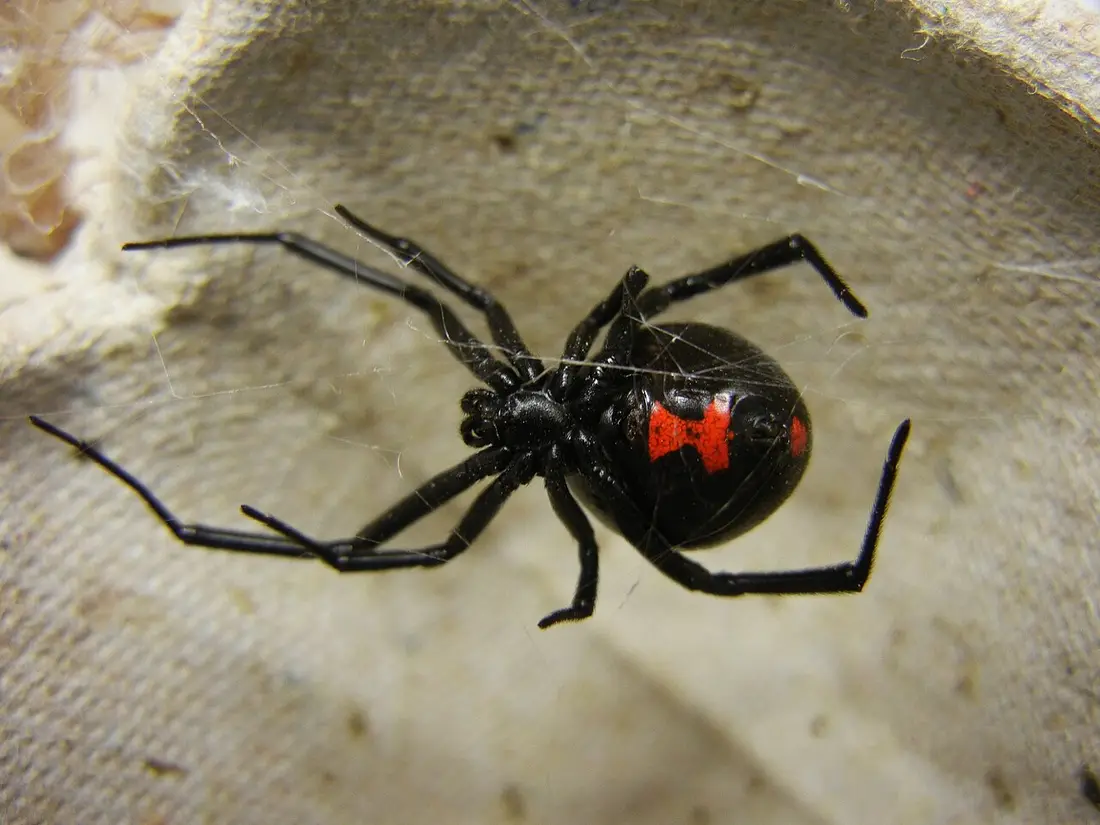
Fresno's spider story has a star: the black widow owns the garage-and-woodpile niche, and widow management deserves its own seriousness - gloves, shake-outs, sac removal and respect for the few places widows actually bite from. The rest of the cast, from orb weavers on the porch to the cellar spiders in the bathroom corner, is mostly pest control you do not have to pay for. A good technician will tell you which spiders to keep.
Choosing the Right Help
Spider providers worth hiring talk about food and habitat before they talk about spray. Ask what the prey reduction plan is - lighting, exterior treatment, web and sac removal - and how black widow areas specifically will be handled: the garage corners, the woodpile, the stored items. Ask which spiders they would leave alone and why. A technician who can explain the beneficial cast understands the ecosystem in your eaves; one who promises a spider-free home is selling a photograph, not a season.
The Climate Behind It
Fresno sits in the middle of the San Joaquin Valley, and its climate writes the pest calendar: summers that run past 100 degrees for weeks, mild winters with dense tule fog, and almost no rain from May to October. Nothing here gets a killing freeze, so pest populations build on each other year after year instead of resetting.
This is farm country first. Almonds, grapes, citrus and stone fruit surround the city on every side, and the irrigation that feeds them - canals, laterals, drip lines and sprinklers - keeps water moving through neighborhoods all season. Where there is constant water, there are constant pests.
How Spider Control Works
Inspect the widow zones
The visit checks garages, woodpiles, meter boxes, block walls, sheds and storage - the widow habitat - plus eaves and windows.
Remove webs and sacs
Webs and egg sacs are physically removed, which clears the visible problem and destroys the next generation on site.
Treat harborage and reduce prey
Harborage areas are treated, and the service addresses the insects the spiders are eating - the food source is half the problem.
Clutter and sealing guidance
You get the storage and cleanup steps that make the garage a poor widow habitat going forward.
Doing It Yourself vs a Professional
The DIY Route
- Killing the spiders you see leaves egg sacs and the prey population untouched
- A sprayed garage corner helps for a week; the habitat keeps producing widows
- Without web and sac removal, each sac restocks the area by the hundreds
VS
The Professional Route
- Widow habitat inspected and treated where they actually live
- Webs and egg sacs removed, not just spiders sprayed
- Prey insects reduced as part of general service - spiders lose their food
Keep It From Coming Back
Spider prevention is prey-and-clutter prevention. Work through the list and the webs thin out on their own - including, with the garage items, the widows.
- Keep firewood stacked off the ground, away from the house, and wear gloves moving it.
- Declutter garage corners and store items in sealed bins, not cardboard.
- Shake out stored shoes, gloves and gear before use.
- Switch porch lights to yellow bulbs or motion sensors to cut insect traffic.
- Sweep down eave and window webs regularly - spiders rebuild where they are left alone.