Fresno Pest Services

Wasp & Bee Removal in Fresno, CA

Wasp nest removal and bee situations in Fresno - paper wasps under every eave, yellowjackets in the ground, and bees that need careful, legal handling.

Fresno homeowners learn the pattern fast: ants when the heat spikes, mosquitoes wherever water stands, roaches breeding at full speed in summer kitchens, and rodents riding the harvest into attics every fall. Pest control here is not a one-time event; it is a rhythm matched to the Valley year.

The city itself adds pressure. Fresno is the county seat and the largest city in the Valley, with neighborhoods that range from 1920s historic districts to subdivisions still being framed at the city edge - and every era of housing has its own pest profile, from drywood termites in old eaves to field rodents at the construction frontier.

Signs You Need Wasp & Bee Removal

An umbrella-shaped nest under the eaves

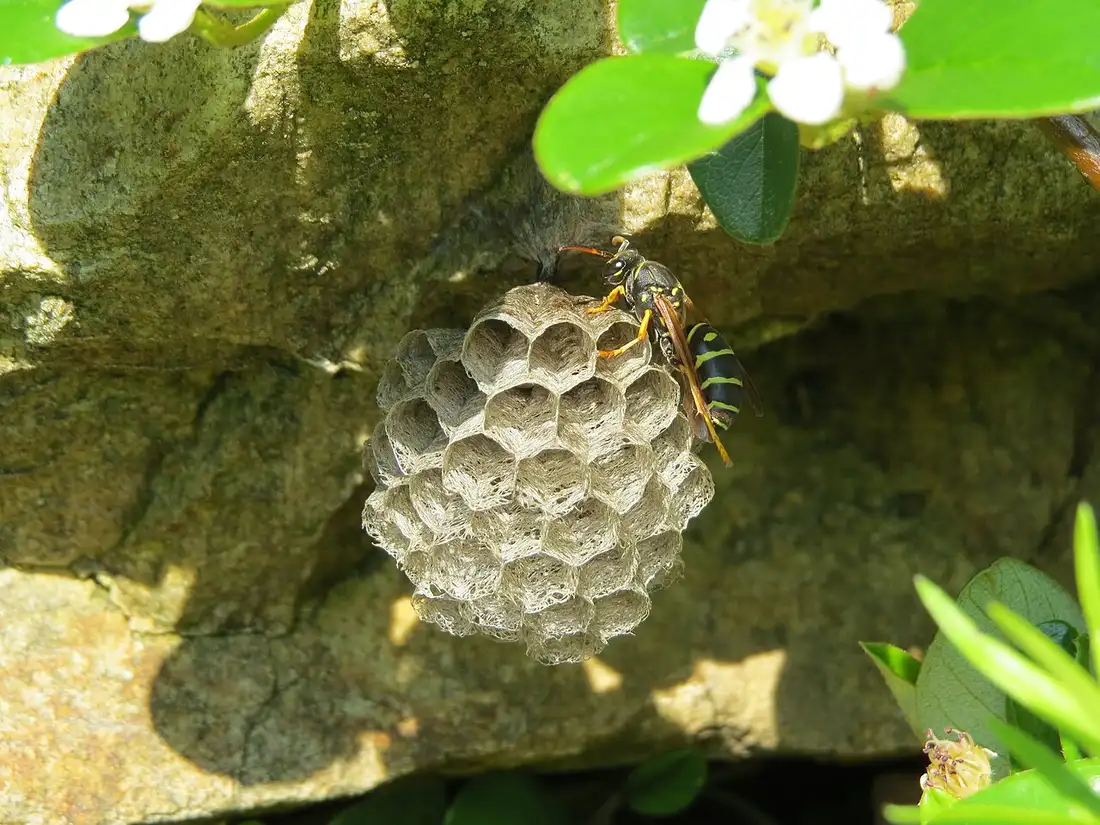
Open paper nests hanging from eaves, fences and patio covers are paper wasps - small colonies, quick to defend the nest.

Wasps streaming from a hole in the ground

Steady traffic from a ground hole, wall gap or meter box usually means a yellowjacket colony - the aggressive kind.

Single large wasps at windows

Mud daubers and carpenter bees work alone and rarely sting, but their nests and holes worry homeowners.

A cluster of bees on a branch or wall

A hanging cluster with no structure is a honey bee swarm resting while scouts find a home - it often moves on within a day or two.

Bees entering a wall or chimney

Bees going in and out of a fixed opening for more than a few days means a hive is being built inside the structure.

Chewed wood fibers or papery material

Wasps scrape wood to build nests - fresh scrapes on fences near a nest site are a giveaway.

Why Wasp & Bee Removal Is a Standing Job in Fresno

Paper wasps choose sheltered horizontal surfaces: eaves, patio covers, fence rails, play equipment and meter boxes. Fresno's stucco-and-tile homes give them endless protected corners.

Yellowjackets choose cavities - old rodent burrows, irrigation boxes, block walls and wall voids - and defend them hard. Late summer colonies are the largest and the most defensive, which is when most stings happen.

Honey bees are a separate case. Swarms are temporary and usually docile; established hives in walls or chimneys are a structural job. Bees are valuable pollinators in an agricultural valley, so live-removal and beekeeper options are discussed before any treatment.

Wasp & Bee Removal Through the Fresno Year

Fall belongs to the rodents. As the Valley harvest strips food and cover from the fields, roof rats and field mice move into attics across Fresno - and drywood termites swarm on the hot evenings. Late summer roofline sealing, done before the push, is the difference between a quiet fall and scratching in the ceiling.

Fresno winters are fog and mild cold, not a reset. Tule fog keeps foundations and crawl spaces damp for weeks, rodents that got in stay in, garage black widows stay active, and kitchen cockroaches never notice the season at all. Winter is project season: exclusion, moisture fixes and the inspections that set up spring.

Spring in Fresno brings warm days after the winter rains, and the pests respond on cue: subterranean termites swarm, wasp queens start thumb-sized nests under the eaves, Argentine ants reopen their trails, and mosquito season begins as the irrigation does. It is the inspection season - the month to find problems while they are small.

Wasp & Bee Removal in Depth

A wasp nest is a growing argument. A paper wasp umbrella in May holds a queen and a handful of workers; the same address hosts hundreds by August, with a season's worth of defensive instinct. Yellowjacket ground colonies follow the same curve with a worse temper and a location - in a wall void or under a walkway - that puts the colony on a collision course with daily life. Removal difficulty scales with the calendar, which is why spring's cheap problem is August's emergency call.

The Fresno setting adds the pool factor. Wasps drink, and in the Valley's dry heat every pool, fountain and drip line is a wasp bar. Colonies near water features defend the resource and meet swimmers daily. Siting matters in removal planning: a nest that can be treated and left to biodegrade in a quiet eave is one thing; a nest on a pool fence is a same-week job.

Choosing the Right Help

Wasp removal questions are about timing and access. Ask whether the nest can be treated and removed in one visit, what happens to a colony inside a wall void (the answer should never be 'seal the hole first'), and how the plan handles the drinking traffic at pools and fountains afterward. Ask about the spring option, too: a provider who will put your eaves on an early-season knock-down list is thinking past today's nest to next season's queens.

The Climate Behind It

Fresno sits in the middle of the San Joaquin Valley, and its climate writes the pest calendar: summers that run past 100 degrees for weeks, mild winters with dense tule fog, and almost no rain from May to October. Nothing here gets a killing freeze, so pest populations build on each other year after year instead of resetting.

This is farm country first. Almonds, grapes, citrus and stone fruit surround the city on every side, and the irrigation that feeds them - canals, laterals, drip lines and sprinklers - keeps water moving through neighborhoods all season. Where there is constant water, there are constant pests.

How Wasp & Bee Removal Works

Identify the insect

Paper wasp, yellowjacket, mud dauber or honey bee - the visit starts with a firm ID, because the handling is different for each.

Remove or treat the nest

Wasp nests are treated and removed so the colony does not re-form on the same spot; yellowjacket ground and void nests are treated in place with care.

Handle bee situations properly

Swarms are usually left to move on or referred for live collection; established hives get a removal plan that deals with honeycomb in the structure.

Prevent the rebuild

Old nest sites are cleaned and the sheltered spots wasps favor are flagged, so next season's queens look elsewhere.

Doing It Yourself vs a Professional

The DIY Route

  • Spraying a ground nest at midday leaves most of the colony - and angers all of it
  • Knocking down a nest without treatment means the wasps rebuild beside it
  • Sealing bees into a wall drives them inside the home and leaves honeycomb to rot
VS

The Professional Route

  • Insect identified first - bees and wasps are different jobs, handled differently
  • Nest treated and removed so the site does not get reused
  • Void and ground colonies handled with the right gear and timing

Keep It From Coming Back

You cannot wasp-proof a Fresno yard, but you can make it a bad neighborhood for colonies: early nest removal, sealed trash, and water sources that do not double as wasp bars.

  • Walk the eaves each spring and knock down starter nests while they are tiny - or call before they grow.
  • Keep sweet drinks and pet food covered during outdoor meals in summer.
  • Seal gaps in block walls, meter boxes and irrigation boxes before summer.
  • Fill abandoned rodent burrows in the yard - yellowjackets move into them.
  • Keep trash bins closed and rinsed; yellowjackets work garbage hard in late summer.
Wasp & Bee Removal in the Valley Cities

The communities around Fresno share its pest calendar - with their own twists.

Wasp & Bee Removal in Clovis

Clovis is Fresno's sister city to the northeast, known for Old Town Clovis, the Clovis Rodeo - held since 1914 - and the Clovis Unified school district. Old Town's early-1900s core gives way to large newer subdivisions at the foothill edge.

Wasp & Bee Removal in Madera

Madera is the county seat of Madera County, about 23 miles northwest of Fresno on Highway 99. The 1917 county courthouse is now a museum, and the city sits in the middle of almond orchards and the Madera Wine Trail.

Wasp & Bee Removal in Sanger

Sanger sits east of Fresno on Highway 180, the road to Kings Canyon. It has called itself the Nation's Christmas Tree City since 1949, for the General Grant giant sequoia in Kings Canyon National Park, and citrus and stone-fruit packing anchors the local economy.

Wasp & Bee Removal in Selma

Selma, south of Fresno on Highway 99, calls itself the Raisin Capital of the World - the surrounding vineyards dry a large share of the world's raisins. The city mixes an older downtown with tracts that end at the vine rows.

Where Wasp & Bee Removal Is Needed Most

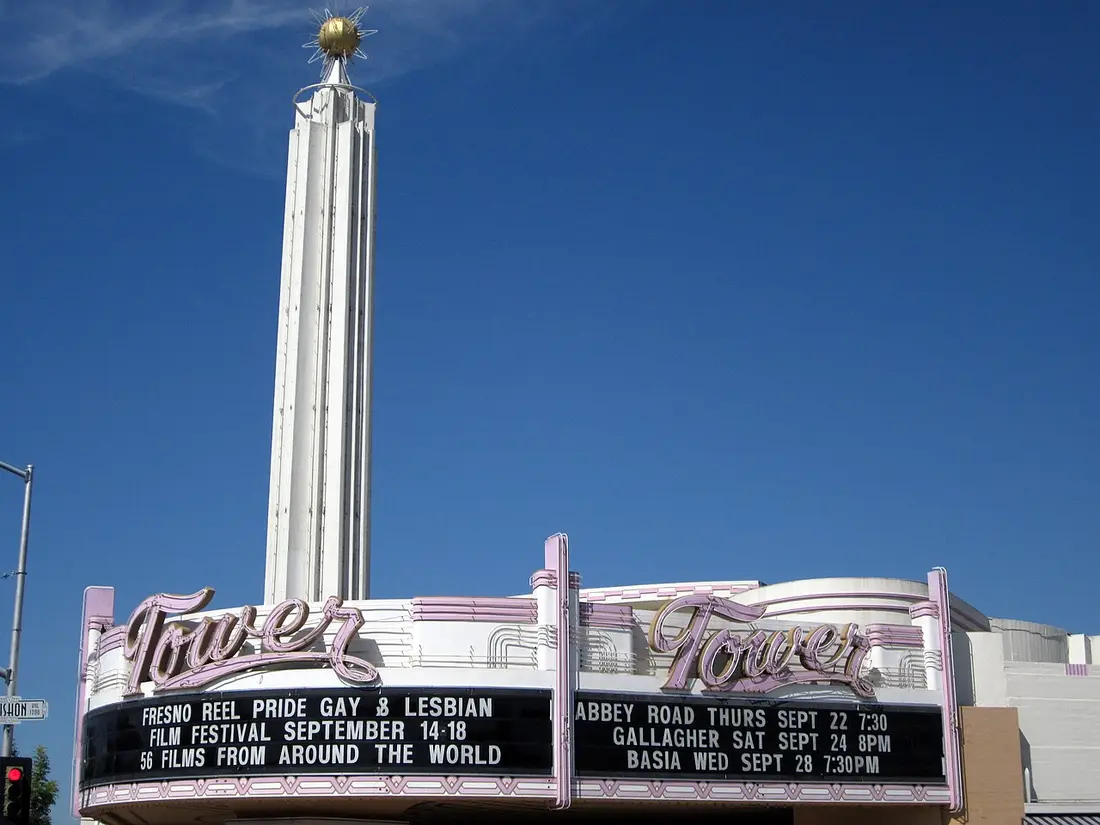
In north Fresno - Woodward Park, River Park, Pinedale, Fig Garden, Old Fig Garden and Tower District, Downtown Fresno, Bullard, Northwest Fresno, Sunnyside - the housing runs from historic districts to brand-new subdivisions, and wasp & bee removal follows the construction: older wood, mature trees and river-corridor greenery in the established neighborhoods, field-edge pressure in the new ones.

Central and south Fresno - Southeast Fresno, McLane, Hoover, Roosevelt, Edison, West Fresno and Central Fresno, North Growth Area, Copper River, Easton, Calwa, Biola - hold the city's older housing stock, its apartment corridors and its industrial-ag edges, which together make this the steadiest wasp & bee removal territory in the city.

Beyond the city line, the same work runs in Clovis, Madera, Sanger, Selma, Kerman, Fowler, Reedley, Kingsburg, Parlier - Valley communities wrapped in orchards and vineyards, where the farm calendar drives pest pressure as much as the weather does. Every one of these area pages carries the local detail for wasp & bee removal in that community.

Coverage, In Full

Wasp & Bee Removal runs across the whole service map: the north Fresno neighborhoods of Woodward Park, River Park, Pinedale, Fig Garden and Old Fig Garden; the Tower District, Downtown Fresno, Bullard, Northwest Fresno, Sunnyside and Southeast Fresno; McLane, Hoover, Roosevelt, Edison, West Fresno and Central Fresno; the North Growth Area and Copper River; the Fresno County communities of Clovis, Biola, Calwa, Malaga and Easton; and the Valley cities of Madera, Sanger, Selma, Kerman, Fowler, Reedley, Kingsburg and Parlier. One call covers all of it - the local pages above carry the detail for each. If your street is not named here, call anyway: routes grow with demand, and most Fresno addresses are already within reach of a scheduled run.

From the Fresno Pest Guides

Wasp & Bee Removal Questions

Do wasps come back to the same spot every year in Fresno?

Queens overwinter and start new colonies each spring, often near last year's sheltered spots. Removing nests and cleaning the site, plus a spring eave check, breaks the pattern.

Are mud daubers dangerous?

Mud daubers are solitary, rarely sting, and their mud tubes are mostly a cosmetic issue - but they use old holes that other wasps may adopt, so tubes are usually removed during service.

What should I do about a bee swarm in my yard?

Keep people and pets away and watch it from a distance. Most swarms rest for a day or two and leave on their own. If it settles into a wall, chimney or meter box, call - that is when it becomes a hive.

Why are yellowjackets worse in late summer?

Colonies grow all season; by August and September a ground nest can hold thousands of workers competing for food, which is why late-summer picnics and trash bins draw them and stings spike.

Is the nest at my Fresno home wasps or bees?

Thin paper nests under eaves are wasps; steady traffic into a wall or chimney with rounder, fuzzier insects is bees. It matters: bee situations may call for live removal, and your technician will tell you honestly which you have.

When is wasp removal in Fresno most urgent?

When the nest is at a door, walkway, play area or anywhere someone with a sting allergy passes. Colonies only grow through summer, so a nest is never smaller tomorrow than it is today.

Can you remove a yellowjacket nest in the ground in Fresno?

Yes - ground nests are treated in place, usually with timing that catches the colony home. Do not pour anything into the hole yourself; disturbed yellowjackets are the most common cause of multiple stings.

What affects the cost of wasp nest removal in Fresno?

The species, nest size and location - an open eave nest and a colony inside a wall void are very different jobs. Bee hive removal from structures is scoped separately because the comb has to come out too.

Please note: Fresno Pest Pros is an independent directory and referral service, not a pest control contractor. The professionals reachable through this site are independent businesses; any agreement for work is between you and the professional you engage. Service information on this site is general educational material - the scope of any real pest control work is set by an on-site inspection.

Ants in the Kitchen, Scratches in the Attic or Bites in the Night?

One call connects you with a pest control professional serving Fresno and the surrounding Valley communities - inspection, treatment, exclusion and prevention.

📞 Call Now
📞 Call Now