Flea & Tick Control Through the Fresno Year
Fresno winters are fog and mild cold, not a reset. Tule fog keeps foundations and crawl spaces damp for weeks, rodents that got in stay in, garage black widows stay active, and kitchen cockroaches never notice the season at all. Winter is project season: exclusion, moisture fixes and the inspections that set up spring.
Summer is peak pest season in the Valley. Mosquitoes breed on a roughly weekly cycle in standing water, ants pour indoors hunting moisture through every heat wave, cockroaches breed at top speed in warm kitchens, and black widows settle into every quiet garage corner. Exterior service in summer is what holds the line.
Fall belongs to the rodents. As the Valley harvest strips food and cover from the fields, roof rats and field mice move into attics across Fresno - and drywood termites swarm on the hot evenings. Late summer roofline sealing, done before the push, is the difference between a quiet fall and scratching in the ceiling.
Flea & Tick Control in Depth
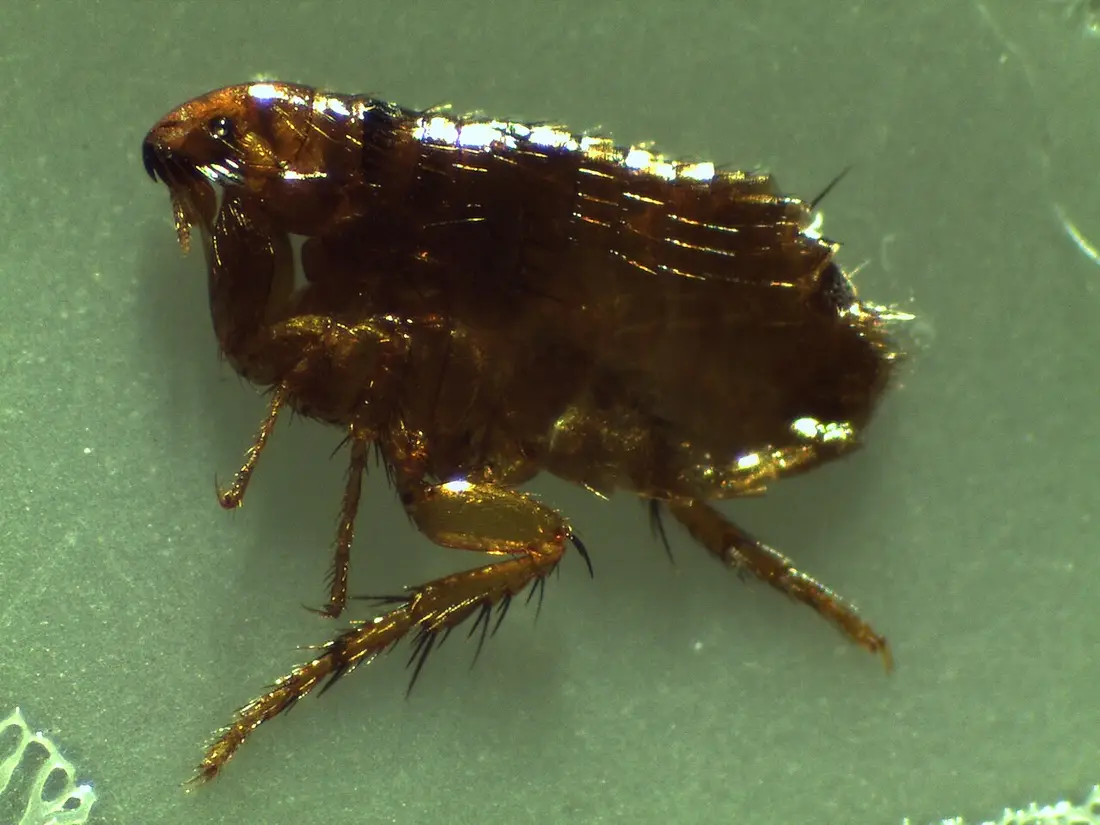
Flea control is a four-front war that homeowners usually fight on one. The adults on the pet are the visible front - and the smallest, perhaps five percent of the population. Eggs rain off the pet into carpet and bedding, larvae develop in those fibers feeding on adult flea dirt, and pupae wait in cocoons that resist treatment for months, hatching in waves when vibration announces a host. Yards contribute the outdoor front, where shaded soil under porches and along fence lines hosts the cycle between pets.
That biology dictates the strategy: the pet's veterinarian-handled treatment breaks the breeding cycle, the home treatment suppresses the indoor fronts, and the follow-up rhythm outlasts the pupal window. Skipping any front restarts the war on the remaining ones. Fresno's mild winters never fully end the outdoor season, which is why flea problems here smolder instead of concluding.
Choosing the Right Help
Flea work succeeds as a system, so vet the system. Ask how the home treatment coordinates with your pet's veterinarian-directed treatment, which fronts the plan covers - pet, carpets, furniture, yard shade - and how the follow-up rhythm handles the pupal window, when eggs and cocoons outlast the first treatments. A provider who warns you the problem may look worse before it ends (hatching pupae) is telling you the biology straight. That honesty is the qualification.
The Climate Behind It
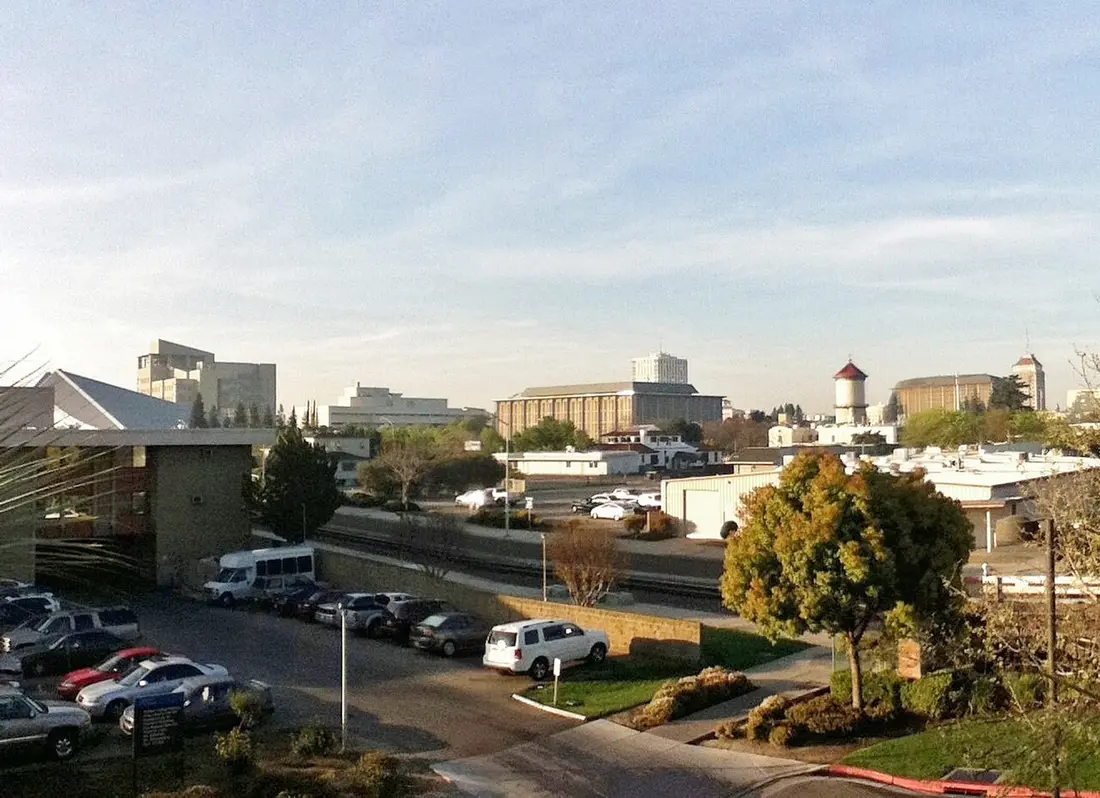
Fresno sits in the middle of the San Joaquin Valley, and its climate writes the pest calendar: summers that run past 100 degrees for weeks, mild winters with dense tule fog, and almost no rain from May to October. Nothing here gets a killing freeze, so pest populations build on each other year after year instead of resetting.
This is farm country first. Almonds, grapes, citrus and stone fruit surround the city on every side, and the irrigation that feeds them - canals, laterals, drip lines and sprinklers - keeps water moving through neighborhoods all season. Where there is constant water, there are constant pests.
How Flea & Tick Control Works
Confirm and map activity
The visit checks pets' bedding, carpets, sofas and the shaded yard zones to map where the cycle is running.
Treat the interior
Carpets, upholstery and floor gaps are treated, with vacuuming used as a tool - vibration triggers pupae to hatch into the treatment.
Treat the yard zones
Shaded soil, dog areas, fence lines and under-deck spaces are treated where larvae develop and ticks wait.
Time the follow-up
Follow-up is scheduled against the life cycle, and your vet's pet treatment runs in parallel - all three legs together end the problem.
Doing It Yourself vs a Professional
The DIY Route
- A flea bomb treats the air, not the carpet base where larvae live
- Treating only the pet leaves the yard and house cycle untouched
- One visit rarely beats the pupae - timing against the life cycle is the fix
VS
The Professional Route
- House and yard treated together, mapped to where the cycle runs
- Follow-up timed to outlast the pupal stage
- Plan coordinated with your vet's pet treatment
Keep It From Coming Back
Flea and tick prevention runs on the pet's schedule as much as the home's: consistent pet treatment, yard shade management and a vacuum rhythm that keeps the indoor fronts suppressed.
- Keep pets on a vet-recommended flea preventative year-round in Fresno.
- Vacuum carpets and pet areas several times a week during an outbreak - it genuinely helps.
- Wash pet bedding weekly in hot water while fleas are active.
- Keep grass cut and clear leaf litter along fence lines where ticks wait.
- Discourage night wildlife: secure pet food, fix fence gaps, cap pet doors at night.